
Mole/Lesion Removal New Orleans
Unsightly, disfiguring skin lesions can be disconcerting and often devastating to one’s self-image. Dr. Velargo is sensitive to this and is highly skilled in skin lesion removal surgery of the face and neck.
Quick Links
What Happens During A Skin Lesion Removal?
Skin lesion removal surgery is typically performed under local anesthesia in Dr. Velargo’s clinic procedure room. However, this surgery can be performed under a spectrum of anesthesia based on the patient’s health and comfort level.
Dr. Velargo will spend time with you in consultation to ensure that every effort is made to reach your goals in a realistic manner. Dr. Velargo will analyze your lesion and develop a unique plan for excision. Dr. Velargo may recommend a shave excision of the lesion in certain circumstances. In this technique, Dr. Velargo utilizes loupe magnification to precisely remove the lesion. Aesthetic results with this technique are excellent, as no cuts are made into deeper skin structures.
Some lesions, such as seborrheic keratoses or cholesterol granulomas, respond very well to chemical peels. Thus, a peeling solution may be applied in some cases as part of the excision process. When surgically removing a skin lesion or blemish by simple excision, Dr. Velargo makes every effort to place the line of incision as nearly as possible in or parallel to one of the normal crease lines of the face. All incisions are closed in a meticulous manner with tiny sutures.
Excision of large unsightly skin lesions, birthmarks, or blemishes may require multiple operations over a period of time (e.g., serial excisions). Occasionally, it is necessary to shift surrounding tissue to fill a defect with local flaps, or, rarely, even resort to skin grafting. After the excisional scars mature, skin resurfacing procedures such as dermabrasion or laser therapy may be indicated to smooth out scars that result from the excision itself.
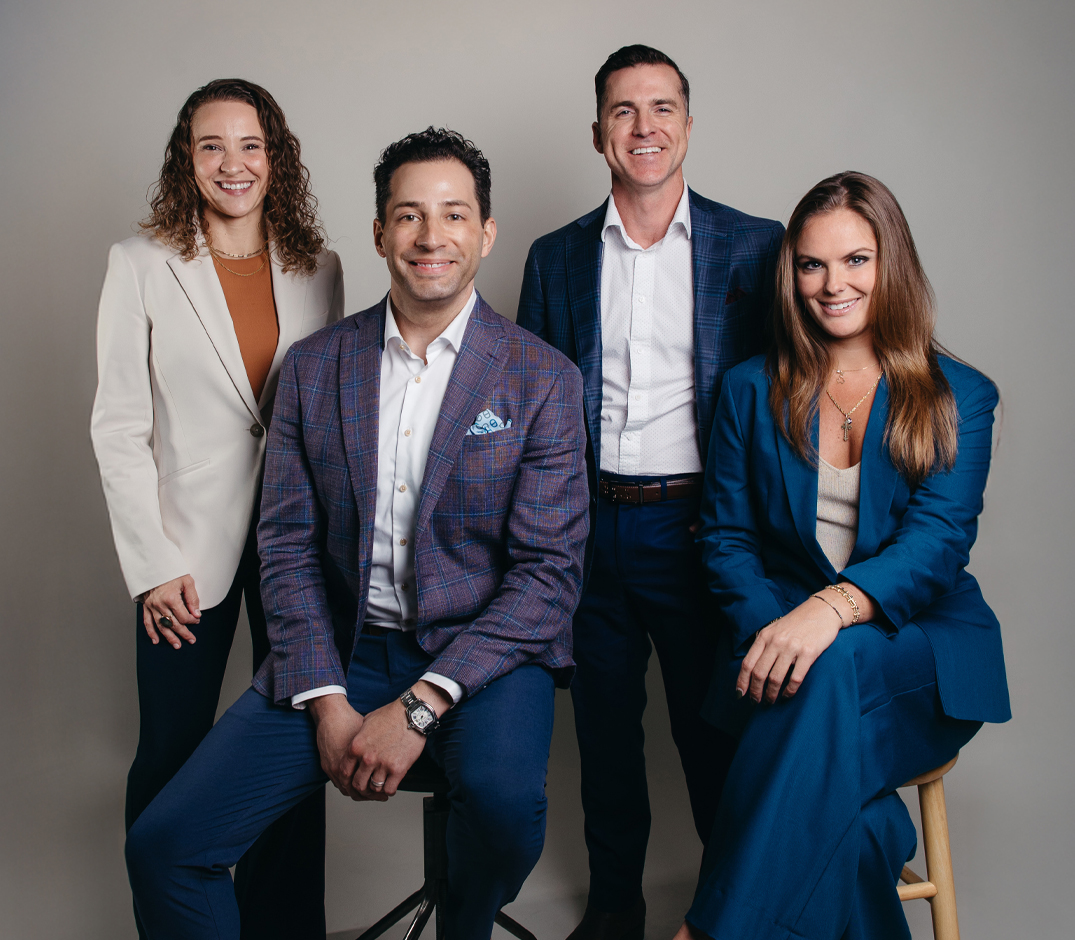
Meet The Surgeons
We’re dedicated to delivering more than treatment—we build lasting connections through compassion, skill, and personalized care. Our mission is to provide exceptional service and results, making us the trusted choice for cosmetic and reconstructive plastic surgery in New Orleans.
Confidence Starts Here
Contact the New Orleans Center for Aesthetics and Plastic Surgery today to find out more about expert skin lesion removal surgery.
Skin Lesion Removal FAQs in New Orleans
What can skin lesion removal accomplish?
Skin lesion removal can eliminate benign or suspicious growths, moles, cysts, and other skin irregularities for both medical and cosmetic reasons. This procedure helps address concerns about potential skin cancer, removes uncomfortable or irritating lesions, and improves the overall appearance of the skin. Many patients choose skin lesion removal to achieve smoother, clearer skin and gain peace of mind about their skin health. The procedure can be performed on virtually any area of the body, including the face, neck, and other visible areas. Results typically include a more even skin texture and reduced self-consciousness about noticeable skin irregularities.
What is recovery like from skin lesion removal surgery?
Recovery from skin lesion removal is typically straightforward and relatively quick, with most patients experiencing minimal downtime. Depending on the size and location of the lesion, you may have sutures that will be removed within one to two weeks, and you’ll need to keep the area clean and protected during healing. Most patients can return to normal activities within a few days, though you should avoid strenuous exercise or activities that could stress the treatment area for about two weeks. Some swelling, redness, and tenderness around the site is normal and will gradually subside over the following weeks. Your surgeon will provide specific post-operative instructions to ensure optimal healing and minimize scarring.
Does insurance cover skin lesion surgery?
Insurance coverage for skin lesion removal depends on whether the procedure is deemed medically necessary or purely cosmetic. If the lesion is suspicious for skin cancer, precancerous, causing functional problems, or creating health concerns, insurance will often cover the removal. Cosmetic removal of benign lesions that are not causing medical issues is typically not covered by insurance and would be an out-of-pocket expense. Our team can help you understand your coverage by working with your insurance provider to determine if your specific case qualifies for coverage. We also offer financing options to make treatment accessible for those paying out of pocket.
How do I know if a mole or lesion needs to be removed?
While many moles and lesions are harmless, our experts may recommend removal if you notice changes in size, shape, color, or texture, or if the lesion bleeds, itches, or becomes painful. Some mole removals are purely cosmetic, and you may simply want them removed because they impact your confidence due to being visibly prominent or are in an area where clothing rubs on it. During your consultation, our surgeons will evaluate the lesion and discuss whether removal is appropriate for medical or aesthetic reasons. If there’s any concern about abnormal cells, the tissue will be sent for analysis to ensure your health and peace of mind.
What should I expect during mole and lesion removal?
Typically, mole and lesion removal is a quick, in-office procedure performed under local anesthesia. Depending on the size and location, the lesion may be shaved off at the skin’s surface or excised for a flatter, more refined result and minimizing scarring. You’ll receive detailed aftercare instructions, and most patients can return to their regular activities the same day. If the lesion is sent for pathology, we’ll follow up with you once the results are available.
Will I have a scar after mole or lesion removal?
Any surgical removal will leave some degree of scarring, but our board-certified plastic surgeons use advanced techniques to minimize visible marks and promote optimal healing. The size and location of the lesion, as well as your skin type and healing process, all play a role in the final appearance. Many scars fade significantly over time and can be further improved with scar treatments like laser resurfacing or topical therapies if needed. During your consultation, we’ll discuss realistic expectations and the best approach for your individual case.