

Lower Blepharoplasty New Orleans: Your Guide to Lower Eyelid Surgery
At the New Orleans Center of Aesthetics and Plastic Surgery, we understand the impact that tired-looking eyes can have on your self-confidence, which is why we offer this transformative procedure performed by our renowned board-certified plastic surgeon, Dr. Parker Velargo.
Aging gracefully is an art, and with the help of lower eyelid surgery, you can achieve a more youthful and vibrant look. As we journey through life, the delicate skin surrounding our eyes often reveals the earliest signs of aging. The once smooth and taut lower eyelids can become puffy and weighed down by excess fat, creating a tired and aged aesthetic. Lower blepharoplasty is designed to rejuvenate this area, reducing bags and improving skin laxity for a well-rested and revitalized appearance.
Quick Links
Am I an Ideal Candidate for Lower Blepharoplasty?
You may be an ideal candidate for lower eyelid surgery if you are bothered by persistent under-eye bags, puffiness, or loose, crepey skin that makes you look tired even when you are well-rested. Good candidates are also in good general health, do not smoke, and have realistic expectations about the improvement lower blepharoplasty can provide. Because the skin around the eyes is especially thin and delicate, Dr. Velargo carefully evaluates your skin elasticity, the position of your lower lid, and the amount of fat contributing to under-eye bulges before recommending a surgical plan.
Patients with certain eye conditions, uncontrolled thyroid disorders, or significant dry eye may require additional evaluation prior to surgery. During your consultation, Dr. Velargo will review your medical history and facial anatomy in detail to help you understand whether lower eyelid surgery is the right choice for your goals.
How Does Dr. Velargo Choose the Appropriate Lower Blepharoplasty Technique for Each Patient?
Lower blepharoplasty is a highly individualized procedure, tailored to address each patient’s unique concerns and goals. During your initial consultation, Dr. Velargo will evaluate your facial anatomy, discuss your medical history, and explore your desired outcomes. This collaborative approach ensures that your treatment plan aligns seamlessly with your vision.
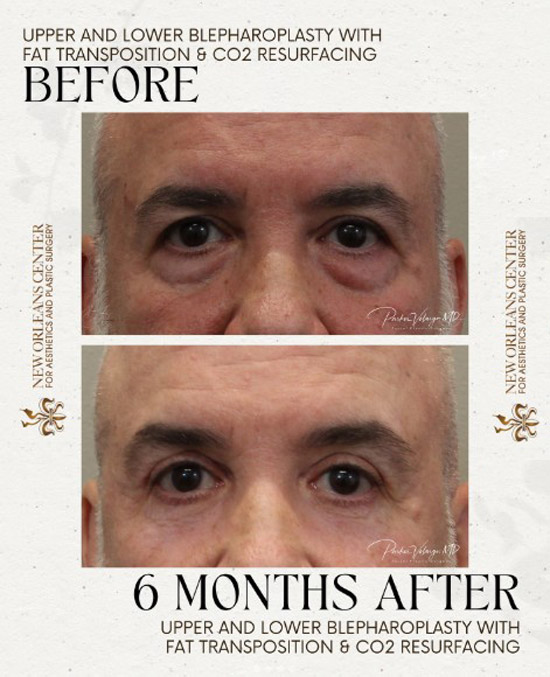
The technique employed for your lower eyelid surgery will depend on your specific needs. Dr. Velargo may recommend one of the following approaches:
- Transconjunctival Blepharoplasty: Ideal for patients with under eye bags, this technique addresses excess fat primarily. By making a small incision inside the lower eyelid, Dr. Velargo can carefully reposition/ transpose fat (or less commonly debulk the fat), creating a smoother, more contoured appearance. If performed on a younger patient with good skin quality, there isn’t even an external incision. When performed on an older patient or a patient who has skin quality concerns, this method is often combined with a skin pinch of excess skin under the lashes and/ or skin resurfacing.
- Skin Pinch Blepharoplasty: This approach is often recommended for individuals with loose or crepey eyelid skin that contributes to a tired and aged look. Dr. Velargo can precisely excise the excess skin and ensure minimal chance of lower lid malposition by a pinch excision. The pinch is carefully made within the natural folds of the lower lids, ensuring any resulting scar is well-concealed.
What Are the Benefits of Lower Blepharoplasty?
Beyond reducing under-eye bags, lower eyelid surgery offers a range of benefits that many patients describe as truly transformative. A smoother, more contoured lower eyelid can make you look less tired and less stressed, even on days when you haven’t slept well. Many patients also find that makeup application becomes easier once puffiness and excess skin are addressed, since there is a smoother canvas to work with. Because the incisions are so well-concealed, whether hidden inside the eyelid or tucked within its natural folds, the results tend to look remarkably natural. Friends and colleagues often notice that you look “rested” or “refreshed” without being able to pinpoint that you’ve had surgery at all.
What Is Recovery and Aftercare Like After Eyelid Surgery?
Following your lower eyelid surgery, a period of rest and recovery is necessary to ensure optimal healing. You may experience some swelling and bruising during the initial stages, which is a normal part of the process. Any discomfort can be effectively managed through medication prescribed by Dr. Velargo.
During your recovery:
- Keep your head elevated, even while sleeping, to reduce swelling and promote proper circulation
- Avoid strenuous activities and heavy lifting for the first two weeks, gradually reintroducing them afterward
- Apply lid lift goggles (if given) and/ or cold compresses to the treated areas to minimize swelling and bruising
- Refrain from wearing contact lenses until Dr. Velargo advises it is safe
- Attend your follow-up appointments, where Dr. Velargo will monitor your healing progress and remove any sutures if necessary
In the first 2 to 3 days after surgery, you can expect the most noticeable swelling and bruising, along with some tightness around the lower lids. By the end of the first week, most patients feel comfortable running errands and being seen in public. You can return to work and resume their daily routines within about a week or two, depending on your individual healing process and the extent of your procedure. However, it is important to continue to avoid direct sun exposure, to wear sunglasses, and to diligently apply sunscreen to protect the delicate skin around your eyes.
How Long Do Lower Eyelid Surgery Results Last and How Can They Be Maintained?
Lower eyelid surgery benefits are designed to be long-lasting, taking years off your appearance and enhancing your self-confidence. While the procedure does not halt the natural aging process, it sets a new foundation for a more youthful look. By addressing excess fat and skin laxity, you can enjoy a refreshed and rejuvenated appearance that endures.
To prolong the results of your lower eyelid surgery:
- Maintain a healthy and stable weight, as significant fluctuations can impact the contour of the treated area
- Protect your eyes from the sun’s harmful UV rays by wearing sunglasses and applying sunscreen daily
- Practice a consistent skincare routine, including moisturizing and using eye creams, to keep the skin around your eyes hydrated and healthy
- Lead a healthy lifestyle, including proper nutrition, hydration, and adequate sleep, as these factors contribute to the longevity of your results
New Orleans Center of Aesthetics is your destination for cosmetic and reconstructive plastic surgery in New Orleans.

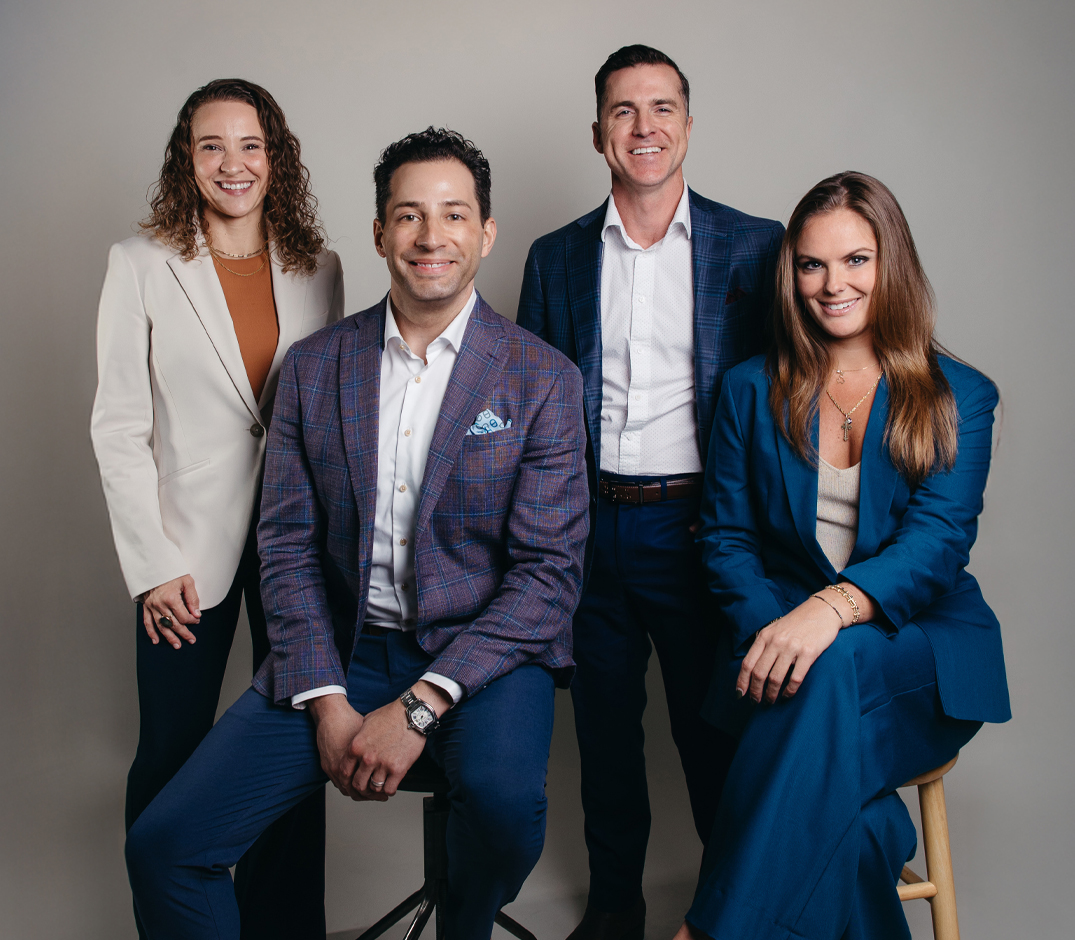
Meet The Surgeons
We’re dedicated to delivering more than treatment—we build lasting connections through compassion, skill, and personalized care. Our mission is to provide exceptional service and results, making us the trusted choice for cosmetic and reconstructive plastic surgery in New Orleans.
Which Procedures Can Be Combined with Lower Eyelid Surgery?
Lower eyelid surgery often serves as a transformative standalone procedure, but it can also be seamlessly combined with other treatments to address comprehensive aging concerns and enhance your results. During your consultation, Dr. Velargo may recommend:
- Upper Eyelid Surgery: Also known as upper blepharoplasty, this procedure addresses drooping eyelids and hooded eyes, improving your field of vision and creating a more awake and alert appearance. Combining upper and lower eyelid surgery can harmoniously rejuvenate the entire eye area.
- Brow Lift: As the eyebrows descend with age, they can contribute to a tired and aged expression. A brow lift can elevate the eyebrows to a more youthful position, opening up the eyes and smoothing forehead wrinkles. Combining a brow lift with lower eyelid surgery can create a more comprehensive rejuvenation.
- Dermal Fillers: To enhance the results of your lower eyelid surgery, Dr. Velargo may suggest dermal fillers to address hollows or loss of volume in the tear trough or cheek areas. This non-surgical approach can further enhance your results, creating a smoother transition between the lower eyelids and upper cheeks.
Take The First Step Towards Rejuvenation
If you’re ready to rejuvenate your appearance and enhance your self-confidence, we invite you to schedule a consultation with Dr. Velargo at the New Orleans Center of Aesthetics and Plastic Surgery. As a leading board-certified plastic surgeon, he brings an unparalleled level of expertise and a refined aesthetic sense to every procedure he performs. During your consultation, Dr. Velargo will take the time to listen to your concerns, answer your questions, and develop a personalized treatment plan tailored to your specific goals.
Don’t let the signs of aging around your eyes impact your self-esteem any longer. Take control and embrace a refreshed and revitalized look with lower eyelid surgery. Contact us today and discover the transformative power of lower blepharoplasty. Let your eyes reflect the vibrant, youthful spirit within.
Lower Blepharoplasty FAQs in New Orleans
Am I A Good Candidate For Lower Eyelid Surgery?
How Soon Will I See The Results After The Procedure?
Will Lower Eyelid Surgery Affect My Vision?
Lower eyelid surgery, when performed to address excess fat bags, will temporarily cause blurred vision as well as the possibility of double vision. Both conditions are temporary. You may experience temporary blurring or dryness immediately following the procedure due to the use of ointments and eye drops. The double vision is a result of swelling around a muscle that moves your eye that is often harder to use when fat transposition is performed. These symptoms typically resolve within a week or two, and Dr. Velargo may recommend using artificial tears to maintain moisture during your recovery.
What Are The Potential Complications Of Lower Eyelid Surgery?
While lower eyelid surgery is generally safe when performed by a qualified and experienced surgeon like Dr. Velargo, understanding potential complications is important. Aside from the standard risks associated with any surgical procedure, such as infection or bleeding, there are specific concerns related to eyelid surgery, including ectropion (outward turning of the eyelid) and dry eye syndrome. Choosing a board-certified facial plastic surgeon significantly reduces these risks, as they have the expertise to minimize complications and manage them effectively.
How Can I Ensure The Best Results From My Lower Eyelid Surgery?
Can I get a mammogram or other imaging after lower blepharoplasty?
Yes. Lower eyelid surgery does not involve breast tissue or affect mammography in any way, so routine screenings, imaging, and other unrelated medical care can continue on their normal schedule. Because the procedure is localized entirely to the eye area, it has no bearing on future mammograms, CT scans, or MRIs.
Will weight loss or weight gain affect my lower blepharoplasty results?
Because lower blepharoplasty primarily addresses excess fat pockets and skin laxity rather than overall facial fat, modest weight fluctuations are unlikely to significantly change your results.
Can lower blepharoplasty be combined with breast implant removal or replacement?
Combining lower eyelid surgery with breast implant removal or replacement in the same operative session is generally not recommended, since eyelid surgery is best performed with the patient positioned and monitored specifically for delicate facial work.
How should I prepare for lower blepharoplasty?
Preparing for lower eyelid surgery starts with a thorough consultation, during which Dr. Velargo will review your medical history, current medications, and any supplements you take. You will likely be asked to avoid blood-thinning medications, certain supplements, and smoking for a designated period before surgery, since these can increase the risk of bleeding and slow healing. It is also wise to arrange for someone to drive you home after the procedure and help around the house for the first day or two, and to fill any prescribed medications in advance so they are ready when you get home.
Will lower blepharoplasty leave a visible scar?
In most cases, no. When Dr. Velargo performs a transconjunctival approach, the incision is made on the inside of the eyelid, so there is no external scar at all. When a skin pinch technique is used to remove excess skin, the incision is carefully placed within the natural folds of the lower lid, so any resulting scar is extremely fine and well-camouflaged. Most patients find that any visible mark fades significantly within a few months and becomes very difficult to detect.
Does lower blepharoplasty hurt?
Most patients are pleasantly surprised by how manageable discomfort is after lower eyelid surgery. Because the procedure is typically performed under local anesthesia with sedation, you should not feel pain during the surgery itself. Afterward, patients generally describe a sensation of tightness, mild soreness, or a feeling similar to eye strain rather than significant pain, and this is usually well-controlled with over-the-counter or prescribed medication, as needed.
What's the difference between lower blepharoplasty and under-eye filler?
Under-eye or tear trough filler is a non-surgical option that adds volume to hollow areas beneath the eyes, which can be a good short-term solution for patients whose main concern is volume loss rather than excess skin or fat. Lower blepharoplasty, on the other hand, is a surgical procedure designed to remove or reposition excess fat and tighten loose skin, making it the more appropriate choice for patients with visible bags, puffiness, or sagging lower eyelid skin. In some cases, Dr. Velargo may recommend combining both approaches for a more complete, balanced result.
Can I have lower blepharoplasty if I've had previous eye or facial procedures?
In many cases, yes, though your candidacy will depend on the specifics of your prior treatment. Patients who have previously undergone LASIK, cataract surgery, or other eyelid procedures can often still pursue lower blepharoplasty, but Dr. Velargo will want to review your surgical history closely to plan the safest approach. Sharing details about any past eye surgeries, injectables, or facial procedures during your consultation allows him to tailor your treatment plan and anticipate any special considerations for healing.
How many follow-up appointments will I need after lower blepharoplasty?
Most patients are seen within the first week after surgery so Dr. Velargo can check on healing, remove sutures if needed, and address any early concerns about swelling or comfort. A second follow-up typically occurs several weeks later to evaluate how the swelling has resolved and confirm that your results are progressing as expected. Depending on your individual healing and any combined procedures performed at the same time, Dr. Velargo may recommend additional check-ins over the following months to ensure your final results meet your expectations.
Can lower blepharoplasty be performed on its own, withoutuUpper eyelid surgery?
Yes. Many patients only have concerns about puffiness or bags below the eyes and have no issue with drooping or hooding in the upper lids, in which case Dr. Velargo can perform lower blepharoplasty as a standalone procedure. Isolated lower eyelid surgery tends to involve a shorter procedure time and, in cases limited to fat repositioning, an even simpler recovery, since no incision is needed on the upper lid. During your consultation, Dr. Velargo will assess both your upper and lower eyelids so you understand exactly which areas would benefit from treatment.