

Upper Blepharoplasty New Orleans
Upper blepharoplasty addresses these concerns, restoring your youthful vibrancy. At The New Orleans Center for Aesthetics and Plastic Surgery, Dr. Parker Velargo specializes in upper eyelid lift surgery, rejuvenating his patients’ appearance while boosting their confidence. This procedure can turn back the clock by making you look more alert and approachable.
Quick Links
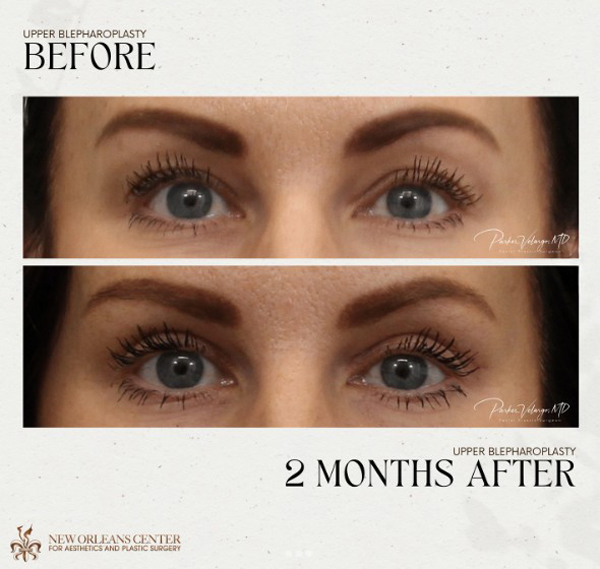
What Is Upper Blepharoplasty?
Upper blepharoplasty corrects sagging and drooping by removing excess skin and fat from the upper eyelids. It is a highly effective way to restore facial harmony and can even help you see better if lax skin obstructs your field of vision.
This surgery can be ideal if your upper eyelids contribute to a hooded appearance that makes you seem permanently fatigued or upset. It is an excellent stand-alone procedure, though you may choose to combine it with complementary surgical or non-surgical treatments for a more comprehensive rejuvenation.
What Are the Benefits Of Upper Blepharoplasty?
An upper eyelid lift can bring aesthetic and functional improvements.
- Improved appearance: Blepharoplasty can correct a tired or sad appearance caused by heavy eyelids and enhance the shape and contour of your eyes.
- Better vision: In some cases, upper blepharoplasty is medically necessary to address excess skin that hangs into your field of view. This surgery can improve your ability to drive, read, cook, and other activities that require a full range of vision.
- Long-lasting results: The improvements made by eyelid surgery are long-lasting. While no surgery can halt the natural aging process, you can maintain your results for many years by using medical-grade skin care products from leading brands like Skin Better Science, Alastin, and EltaMD.
- Enhanced self-confidence: An eyelid lift can help you feel more comfortable and assured by aligning your outward appearance with your self-image.
Am I A Good Candidate for Upper Blepharoplasty?
If you’re considering upper eyelid surgery, you should realistically assess your candidacy for the procedure based on these qualities.
- Are in good general health
- Understand what an eyelid lift can and cannot achieve
- Do not smoke, or are willing to quit for a period before and after surgery
- Have excess, loose skin on your upper eyelids
- Wish to look friendlier and more open
- May have impaired vision due to excess eyelid skin

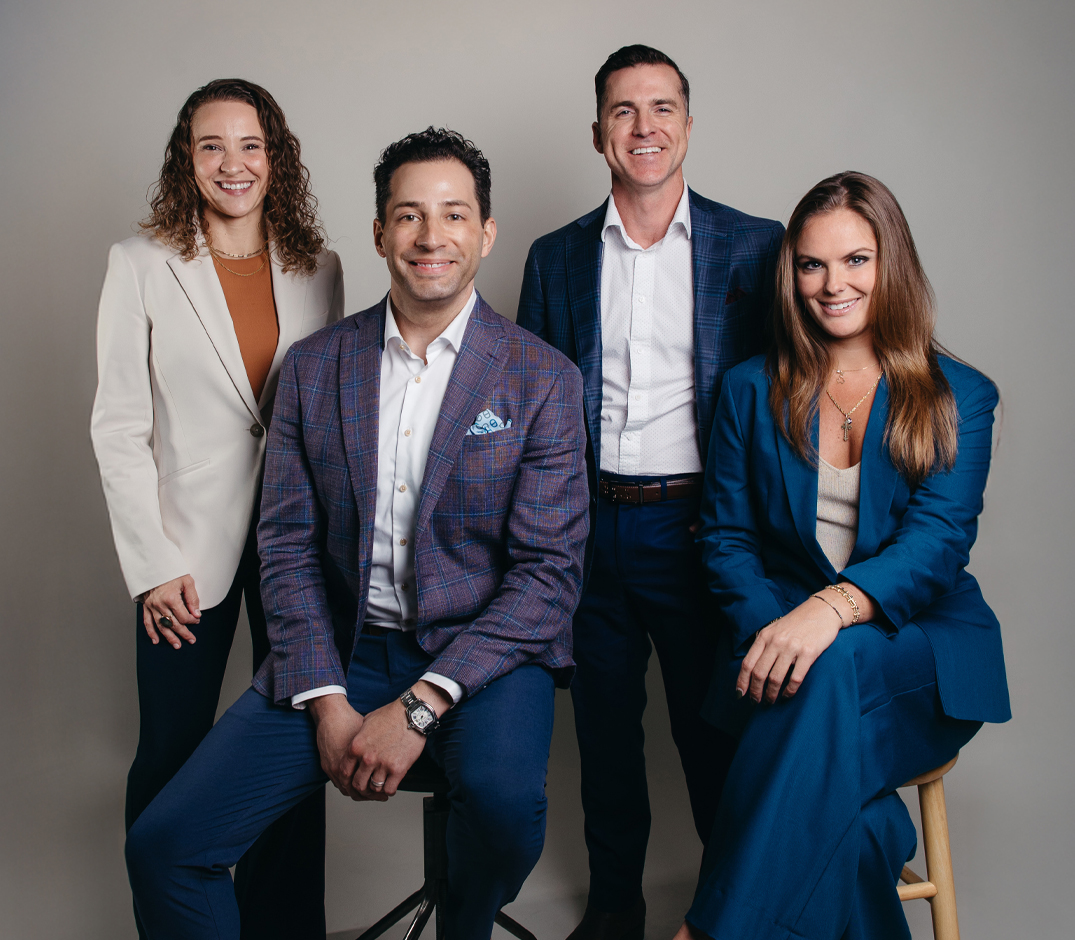
Meet The Surgeons
We’re dedicated to delivering more than treatment—we build lasting connections through compassion, skill, and personalized care. Our mission is to provide exceptional service and results, making us the trusted choice for cosmetic and reconstructive plastic surgery in New Orleans.
What Should You Expect Before and During Upper Blepharoplasty Surgery?
During your initial consultation with Dr. Velargo, he will take time to understand your concerns and goals and explain the procedure and its potential risks in detail, ensuring you are well-informed and comfortable making decisions about your well-being. He will also perform a physical examination and review your medical history to determine your candidacy for surgery and develop a customized treatment plan. Please arrive with a list of the medications and supplements you regularly take to ensure safe, predictable outcomes.
On the day of your procedure, our friendly and professional team will welcome you to our state-of-the-art surgical facility. Dr. Velargo typically performs upper blepharoplasty using local anesthesia with sedation, so you will feel relaxed throughout the procedure.
After making small, precise incisions along your natural upper eyelid creases, he’ll carefully remove or reposition fat, trim away excess skin, and tighten the surrounding tissues and muscles. The resulting scars will be barely noticeable once they’ve fully healed.
Depending on your unique surgical plan, this procedure should take around one to two hours. Dr. Velargo’s team will monitor you in a recovery area to ensure you don’t experience complications as your anesthesia wears off. Then, we will send you home to start recovering with a responsible friend or family member to drive you.
What Are Recovery and Results Like After Upper Blepharoplasty?
After your upper blepharoplasty, you can expect bruising and swelling around your eyes, which should resolve on their own within a few weeks. You may also experience dry eyes, which you can manage by applying cold compresses and using prescription or over-the-counter artificial tears. Throughout your initial recovery period, please rest when you feel tired and avoid activities that may lead to eye strain, like reading or working on a laptop. Instead, you can listen to music, podcasts, or audiobooks with your eyes closed.
Most patients can return to light activities and work within a week, though you may want to consider taking more time off if your job involves a lot of screen time. Do not resume strenuous exercise until Dr. Velargo approves you to do so. Closely follow all your provided postoperative instructions for a smooth recovery. The results of upper blepharoplasty will become apparent as the swelling subsides. Your eyes will look brighter and more open, with less hooding and heaviness.
Why Choose the New Orleans Center for Aesthetics And Plastic Surgery?
The New Orleans Center for Aesthetics and Plastic Surgery is a leading provider of cosmetic surgery and non-surgical treatments in Louisiana. Under Dr. Velargo’s direction, we offer a comprehensive range of services to enhance and rejuvenate the face and body.
We have designed our facility with your comfort and privacy in mind and invested in state-of-the-art equipment and technology. Our team of highly trained and experienced professionals will make your entire experience as pleasant and straightforward as possible. With their extensive experience, artistry, and attention to detail, you can rest assured that you are in the best of hands.
If you are considering upper blepharoplasty and want to learn more, schedule your private consultation with Dr. Velargo. Let us help you achieve the revitalized, refreshed look you desire with the expertise and care you deserve.
Upper Blepharoplasty FAQs
How do I know if upper blepharoplasty or a brow lift is better for my heavy eyelids?
If most of the heaviness sits directly in the upper eyelid skin, you’re probably a better candidate for upper blepharoplasty, which removes that excess tissue to open the eyes. When the eyebrows themselves have dropped and you see deep forehead lines from constantly lifting them, a brow lift or a combination of both procedures may give a more balanced and natural result.
What age is too early or too late to consider upper eyelid surgery?
There is no “right” age for upper blepharoplasty. Some patients notice hereditary hooding in their 30s or 40s, while others wait until later in life when aging changes are more pronounced. As long as you are healthy enough for elective surgery and have realistic expectations, eyelid rejuvenation can be tailored to your anatomy rather than your birth year.
How long do upper blepharoplasty results typically last before eyelids start drooping again?
Most patients enjoy a more open, rested eye shape for many years because the excess skin and fat that were removed do not grow back. Natural aging continues, but many people never need a second upper eyelid surgery or only need to consider a subtle touch‑up a decade or more later if tissue laxity returns.
What can I expect the first week after upper eyelid surgery in terms of bruising and swelling?
You can expect visible puffiness and bruising around the upper eyelids for several days, often peaking in the first 48 to 72 hours before gradually resolving. Keeping your head elevated, using cold compresses as directed, and avoiding strenuous activity help swelling subside so you can feel more presentable within about 1 to 2 weeks.
When it is safe to wear contact lenses and eye makeup after upper blepharoplasty?
Most surgeons allow patients to resume contact lenses only after the majority of swelling and surface irritation have resolved, which often takes at least 1 to 2 weeks. Eye makeup should be avoided until the incisions have sealed and early healing is complete, then reintroduced gently with clean brushes and removable products that do not tug on the lids.
How do upper blepharoplasty scars look over time, and where they are hidden?
Incisions for upper eyelid surgery are placed within the natural crease of the lid so that, once healed, the scar typically appears as a fine line that blends with the surrounding fold. As redness fades over several months, most people find that others notice their refreshed appearance rather than any visible incision.
Is upper eyelid surgery painful, and what kind of discomfort should I expect?
Patients usually describe a feeling of tightness, fullness, or mild soreness rather than sharp pain, especially in the first few days after surgery. Cold compresses, prescribed medications, and resting with the head elevated typically keep discomfort very manageable during this initial healing period.
How does upper blepharoplasty affect Asian eyelids, and can it preserve or create a crease?
For patients with naturally single or low‑set creases, upper blepharoplasty can be customized either to preserve ethnic eyelid characteristics or to create a defined but natural‑looking crease, if desired. Surgeons experienced with diverse eyelid anatomy can tailor incision placement and tissue removal so the result suits your facial features and cultural preferences.
Can upper blepharoplasty be combined with other facial procedures and performed as one surgery?
Upper eyelid surgery is frequently combined with procedures such as lower blepharoplasty, brow lift, facelift, or skin resurfacing to address multiple signs of facial aging in a single operative session. Combining treatments can streamline recovery and create more harmonious rejuvenation, as long as your overall health and goals make this approach appropriate.
How can I prepare for upper eyelid surgery to ensure a smooth recovery?
Before surgery, you may be asked to stop certain blood‑thinning medications or supplements, arrange for a ride home, and set up your recovery space with ice packs, pillows, and any prescribed drops or ointments. Planning for a lighter schedule, help with chores, and limited screen time in the first few days can make the healing process more comfortable and less stressful.
Can upper blepharoplasty improve my peripheral vision for daily activities, like driving?
When overhanging upper eyelid skin blocks the upper or outer part of your visual field, removing that skin can noticeably expand side vision and make tasks like driving and reading more comfortable. An in‑office exam and visual field test can document whether your eyelids are contributing to functional vision loss and whether surgery is medically justified.
What financing or insurance options might apply to functional upper blepharoplasty?
When upper eyelid skin clearly obstructs vision, documented by photos and visual field testing, some insurance plans may partially cover the functional component of surgery. Cosmetic enhancements beyond that functional correction, as well as elective combinations with other procedures, are typically self‑pay and can sometimes be financed through medical credit or payment plans.