
Ultrasonic Rhinoplasty in New Orleans
Because it is such a defining characteristic, the slightest adjustment can dramatically affect facial harmony for all ages and genders. With advances in aesthetic medicine changing the surgical landscape, one innovative rhinoplasty option provides cutting-edge technology for precision outcomes and quick recovery.
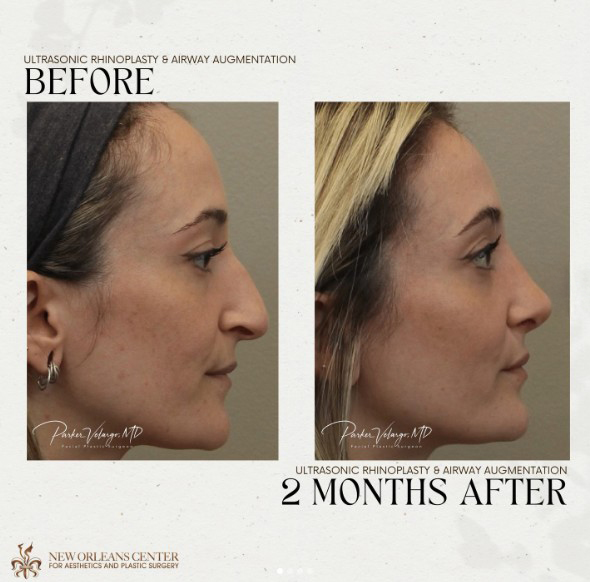
Ultrasonic rhinoplasty removes excess cartilage and bone from nasal humps and allows precise cuts to be made into the bone for narrowing the dorsum, preservation rhinoplasty approaches, and advanced septoplasty. Because of the minimal trauma that is involved in the process (especially compared to traditional rasps, chisels and mallets), recovery is typically quicker.
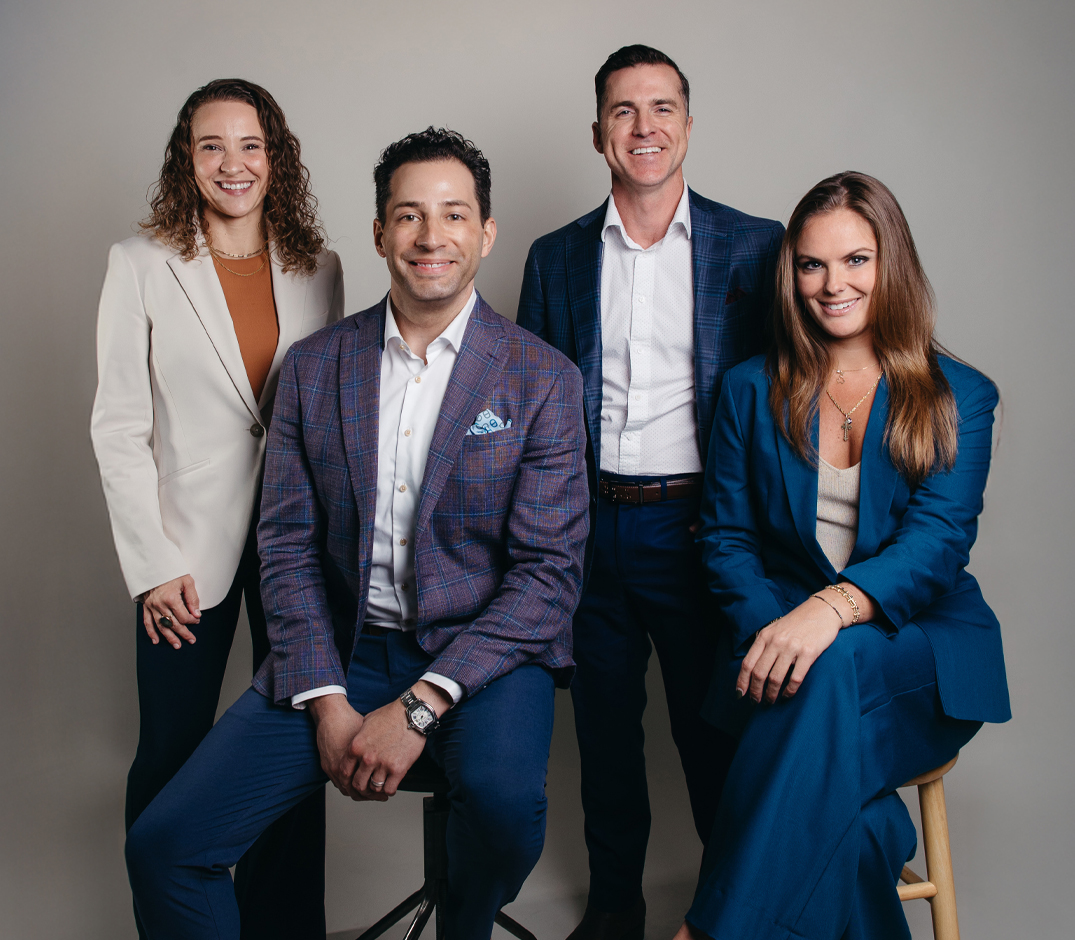
As double board-certified facial plastic surgeons, Dr. Parker Velargo and Dr. Celeste Gary offer the most advanced plastic surgery options for facial enhancements and nasal function. Contact the New Orleans Center for Aesthetics and Plastic Surgery today to learn more about ultrasonic rhinoplasty.
Quick Links
What Is Ultrasonic Rhinoplasty?
Most people considering rhinoplasty share a similar cosmetic concern – they think their nose is too large compared to their other facial features. Therefore, they choose reduction rhinoplasty, which is a surgical procedure that makes the nose smaller. Typical features of an overly large nose include a prominent hump, broad nasal bones, a bulbous tip, or wide nostrils.
Traditional methods for changing nasal bone size and shape typically involve hammers, rasps, and surgical chisels. In 2004, Dr. Massimo Robiony changed everything by introducing ultrasonic rhinoplasty. Also known as piezo rhinoplasty, this technique employs high-speed sound waves to pulsate micro-tip inserts to cut and shave cartilage and bone. The procedure earned FDA approval in November 2017, giving rhinoplasty patients more options to change nasal size and contour.
What Are the Differences Between Traditional Rhinoplasty and Ultrasonic Rhinoplasty?
The primary distinction between traditional rhinoplasty and ultrasonic rhinoplasty is the use of piezoelectric inserts. These devices can selectively address bones or hard cartilage without wounding soft tissues like nasal skin, blood vessels, mucosa, and the flimsy upper and lower lateral cartilage. However, the most critical advantage of ultrasonic rhinoplasty is its ability to accurately create fracture lines, eliminating the risk of radiating fractures common with traditional rhinoplasty instruments.
With less surrounding tissue affected, there is a decrease in surgical bleeding, post-surgical bruising, discomfort, and inflammation for a more pleasing cosmetic outcome. This approach reduces risk and the need for revision rhinoplasty by over 30%.
Benefits of Ultrasonic Rhinoplasty
- Reduces soft tissue and blood vessel trauma surrounding the nose
- Decreases bruising and swelling
- Precisely remodels nasal bones
- Prevents the risk of bone fractures by avoiding the use of surgical hammers and chisels
- Recovery is faster and more comfortable, with patients returning to daily activities sooner
- Millimetric nasal bone remodeling for satisfactory and natural results
- Increased patient satisfaction
- A safer nose technique for minimal risk

Meet The Surgeons
We’re dedicated to delivering more than treatment—we build lasting connections through compassion, skill, and personalized care. Our mission is to provide exceptional service and results, making us the trusted choice for cosmetic and reconstructive plastic surgery in New Orleans.
Ultrasonic Rhinoplasty Recovery
This less invasive approach makes your recovery quicker than traditional rhinoplasty, often with minimal swelling and bruising. While every patient heals at a different rate, many people feel well enough to return to work within one week, which is a notable improvement over the slightly longer recuperation required with conventional rhinoplasties secondary to bruising and swelling.
Dr. Velargo and Dr. Gary ask you to refrain from strenuous activity and avoid contact sports until advised otherwise. They also recommend resting and sleeping with your head elevated.
Who Is a Good Candidate for Piezo Rhinoplasty?
Ultrasonic rhinoplasty is available to anyone in good overall health who does not smoke and has no underlying health conditions that would increase the risk of complications.
Ultrasonic Rhinoplasty Cost
Since insurance companies do not cover surgeries performed solely for cosmetic reasons, the cost of ultrasonic rhinoplasty procedures is critical. Your total piezo rhinoplasty cost will depend on the variables involved in your customized surgical plan, which we will discuss with you during your consultation.
Consult with Dr. Velargo or Dr. Gary About Your Nose Surgery Goals
Traditional and ultrasonic rhinoplasties will get you to the same destination, albeit using different routes. Ultrasonic rhinoplasty is more precise and requires less recovery than a traditional nose job. Additionally, ultrasonic rhinoplasty opens the door for preservation rhinoplasty approaches, which represent another modern advancement in rhinoplasty techniques. Though many surgeons prefer the conventional course, we believe you should be well-informed before making a decision of this magnitude.
To learn more, schedule a rhinoplasty consultation with Dr. Velargo or Dr. Gary today. Call (504) 533-8848 or contact us online.
Confidence Starts Here
Contact the New Orleans Center for Aesthetics and Plastic Surgery today to find out more about expert skin lesion removal surgery.
Ultrasonic Rhinoplasty FAQs in New Orleans
When can I wear glasses after my ultrasonic rhinoplasty?
Avoid wearing glasses directly for at least six weeks after surgery. This precaution allows the nasal bones to heal properly in their new position. Dr. Velargo may recommend taping glasses to your forehead or using contact lenses during the initial recovery period to prevent pressure on the healing nasal structure.
Does ultrasonic rhinoplasty correct breathing problems?
Ultrasonic rhinoplasty can address cosmetic and functional concerns. The precision of ultrasonic instruments allows surgeons to perform advanced septoplasty procedures that can improve nasal airway function while simultaneously enhancing appearance. Most patients notice breathing improvements within 2 to 4 weeks as internal swelling decreases.
How long will my ultrasonic rhinoplasty take to deliver best results?
While you’ll notice significant improvements within the first few weeks, final results typically take up to one year to fully develop. The nose continues to settle and refine during this time as residual swelling gradually resolves. Most visible swelling decreases within 3 to 6 months, with subtle refinements continuing until the one-year mark.
Will my ultrasonic rhinoplasty benefits be permanent?
The structural changes made during ultrasonic rhinoplasty are permanent. The reshaped bone and cartilage maintain their new positions once fully healed. However, minor natural changes may occur over time due to aging, skin elasticity changes, and bone density variations, though the fundamental structure achieved through the procedure remains consistent.
Can I exercise during my recovery?
You should refrain from strenuous exercise, heavy lifting, and contact sports until your surgeon advises otherwise. Activities that could impact your nose or significantly raise your blood pressure should be avoided during the initial healing phase. Light activities can typically resume after two weeks, while more vigorous exercise may require waiting 4 to 6 weeks.
What is the cost of ultrasonic rhinoplasty compared to traditional rhinoplasty?
Ultrasonic rhinoplasty may cost more than traditional techniques due to the specialized equipment and advanced training required. The exact cost depends on the complexity of your procedure and your customized surgical plan. During your consultation, the surgical team will provide a detailed breakdown of costs specific to your needs.
Does ultrasonic rhinoplasty reduce risk and the need for revision surgery?
The precision of ultrasonic instruments allows surgeons to create exact fracture lines and reshape nasal bones with millimetric accuracy. This eliminates the risk of radiating fractures common with traditional instruments like hammers and chisels. The controlled approach reduces the need for revision rhinoplasty by over 30% compared to traditional methods.
Can I combine other facial procedures with ultrasonic rhinoplasty?
Yes, ultrasonic rhinoplasty can be safely combined with other facial aesthetic procedures depending on your goals and overall health. Many patients choose to address multiple concerns in a single surgical session. Your surgeon will evaluate whether combining procedures is appropriate during your consultation based on your medical history and desired outcomes.
What visible scars can I expect after ultrasonic rhinoplasty?
Scarring depends on whether you undergo open or closed rhinoplasty, not on the use of ultrasonic instruments. With closed rhinoplasty, all incisions are made inside the nose, leaving no visible external scars. Open rhinoplasty involves a small incision across the columella (the tissue between the nostrils) that typically heals into a fine line that is barely visible.
When can I exercise directly after surgery?
Light walking can begin almost immediately after surgery and is actually encouraged to promote circulation. Most patients can return to light exercise after two weeks, but strenuous activities, running, and weightlifting should wait until about 4 to 6 weeks post-surgery. Contact sports require longer healing time, typically 2 to 3 months, to ensure the nasal bones have fully stabilized.
Will ultrasonic rhinoplasty be suitable for my nose type?
Ultrasonic rhinoplasty is particularly effective for patients who need dorsal hump reduction, nasal bone narrowing, or preservation rhinoplasty approaches. It works well across different ethnicities and nose types. However, your surgeon will evaluate your specific nasal anatomy during consultation to determine if ultrasonic techniques are the best approach for achieving your desired results.
Can I optimize my ultrasonic rhinoplasty results?
Following post-operative instructions carefully is essential for optimal outcomes. Sleep with your head elevated, avoid touching or bumping your nose, attend all follow-up appointments, and protect your nose from sun exposure during healing. Maintaining good overall health, staying hydrated, avoiding smoking, and being patient throughout the year-long refinement process all contribute to achieving your best possible results.