
Rhinoplasty New Orleans | Septoplasty
Whether your primary goal is to address cosmetic concerns or improve functionality, this comprehensive procedure can dramatically affect your appearance and quality of life. At New Orleans Center for Aesthetics and Plastic Surgery, we understand every nose is unique, just like every patient’s goals and needs.
Dr. Parker Velargo’s dual expertise as a cosmetic and functional rhinoplasty surgeon ensures his patients receive stunning, practical results. Using advanced techniques, he will customize a surgical plan to complement your facial structure, correct imperfections, and restore proper breathing. From subtle refinements to more complex reconstructions, Dr. Velargo approaches each case with the precision and artistry needed to achieve natural-looking results.
Quick Links
What Are Comprehensive Rhinoplasty Solutions?
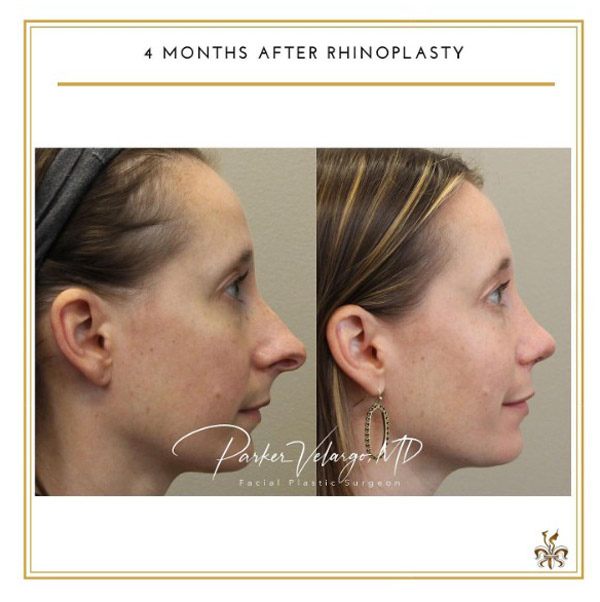
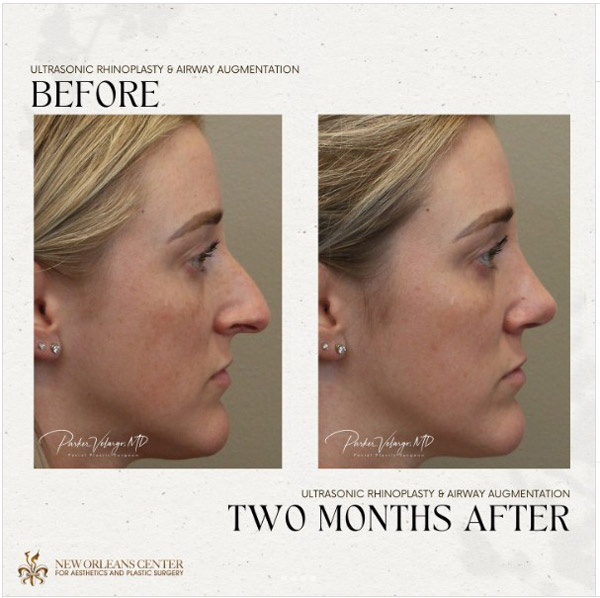
Rhinoplasty can address various concerns, including:
- Removing humps or bumps on the nasal bridge.
- Reshaping the nose tip for a refined appearance.
- Correcting post-traumatic deformities caused by injury or previous surgeries.
- Straightening a deviated or crooked nose.
- Adjusting projection in cases where the nose is too flat or overly pronounced.
- Performing revision rhinoplasty to improve or correct outcomes from earlier procedures.
- Balancing your facial proportions with procedures like chin augmentation for enhanced symmetry.
For patients with breathing difficulties or nasal obstructions, Dr. Velargo often incorporates septoplasty or turbinate reduction into the procedure, optimizing the functional aspects of the nose alongside its appearance. Every nose surgery he performs will achieve a natural look that harmonizes with your unique features, leaving you feeling confident and revitalized.
What Can Septorhinoplasty Accomplish?
Septoplasty is a surgical procedure aimed at correcting issues related to the nasal septum, which separates the two nasal passages. Adding septoplasty to your rhinoplasty ensures long-lasting improvements and satisfaction, letting you feel as good as you look. Straightening and reshaping this structure offers the following benefits:
- Restore airflow: Resolve breathing difficulties caused by a deviated septum or obstructed nasal passages.
- Alleviate nasal blockages: Addressing chronic congestion or obstruction will add daily comfort and make it easier for you to exercise.
- Reduce snoring or sleep issues: Enhancing airflow will alleviate snoring and allow you and your partner to get a better night’s sleep.
- Straighten a crooked nose: Realign the nose when a deviated septum contributes to asymmetry or nasal crookedness.
What Advanced Techniques Are Used for Complex Rhinoplasty Cases?
Dr. Velargo specializes in revision rhinoplasty and other complex cases where patients seek to correct issues from prior surgeries or significant nasal trauma. He minimizes the need for follow-up procedures by striving to achieve optimal results in a single surgery, though revisions may occasionally be necessary to perfect the outcome.
What Is Dr. Velargo’s Experience with Ethnic Rhinoplasty?
Dr. Velargo combines his technical skill with cultural sensitivity for patients seeking ethnic rhinoplasty. Preserving patients’ heritage while enhancing facial harmony is a cornerstone of his practice. Whether working with thicker skin, wider nasal bridges, or other unique characteristics, he tailors his approach to align with every patient’s aesthetic vision.
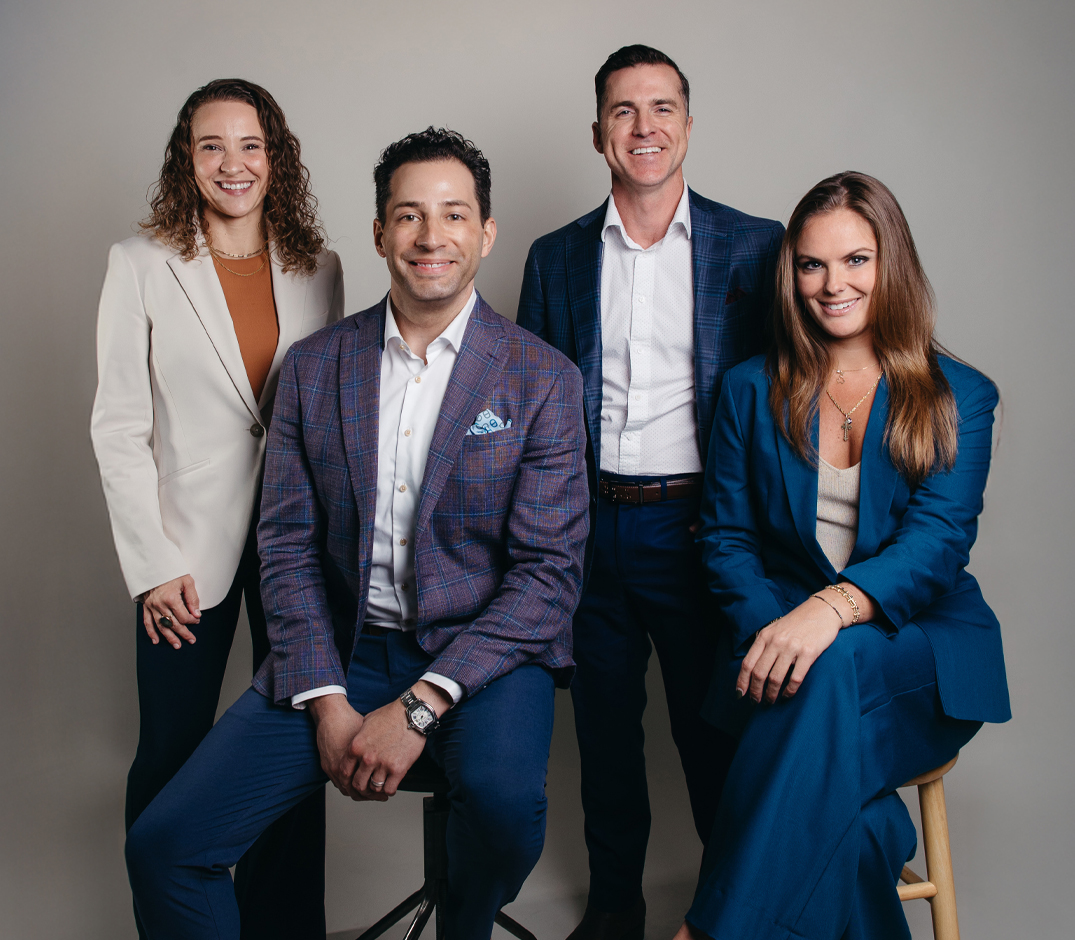
Meet The Surgeons
We’re dedicated to delivering more than treatment—we build lasting connections through compassion, skill, and personalized care. Our mission is to provide exceptional service and results, making us the trusted choice for cosmetic and reconstructive plastic surgery in New Orleans.
I recently had a rhinoplasty performed by Dr. Velargo and I couldn’t be happier with the results! From the initial consultation up until now Dr. Velargo and his team provided great care and made me feel at ease throughout the whole process. Dr. Velargo listened to my goals and his attention to detail, unassuming confidence, and perfectionist mentality were evident from the jump. Needless to say the surgery went great and honestly the results exceeded my expectations. The results are life changing and felt like a weight lifted off of my shoulders. As a confident man already, I am that much more confident now with everything working out so perfect. My nose is perfectly balanced and very natural while still being very refined and continuing to get better as time passes. I am so grateful for Dr. Velargo and the lord for guiding me into his direction and for that I’m forever grateful. I would recommend Dr. Velargo and his team to anyone asking. – Jason
How Long Is Recovery After Rhinoplasty?
Most patients feel comfortable returning to work or social obligations 7-10 days following their rhinoplasty. On average, after one week, about 50% of your swelling will be gone. At two weeks, about 70-80% of your swelling will be gone. At two months, about 80-90% of your swelling will be gone — most of which will reside in the tip because of the dependent nature of the lymphatic flow.
What is The Importance of Natural-Looking Results?
Modern rhinoplasty goes beyond creating a “perfect” nose. Instead, Dr. Velargo focuses on creating a natural-looking result through careful consideration of factors like skin type, age, and the proportions of surrounding features, ensuring the outcome feels like it has always been part of you.
Will My Nose Still Be Unique to Me After Rhinoplasty?
When Dr. Velargo performs rhinoplasty, the goal is to make you a better version of yourself, not someone else. When applicable, Dr. Velargo is also careful to take ethnic characteristics of the nose into consideration. The Vectra 3D imaging program that Dr. Velargo uses also helps to illustrate that you aren’t going to look like he took someone else’s nose off of their face and put it onto yours.

Confidence Starts Here
Choosing rhinoplasty is a significant decision, and we’re here to guide you along the way. Our team prioritizes your safety, comfort, and satisfaction from your initial consultation to postoperative care. Experience the power of rhinoplasty with Dr. Parker Velargo and regain confidence in your appearance and breathing.
Call us today at (504) 533-8848 to schedule your rhinoplasty consultation. Let Dr. Velargo help you achieve the nose you’ve always envisioned while improving your quality of life.
Rhinoplasty FAQs in New Orleans
What happens during rhinoplasty?
A question often asked by patients contemplating rhinoplasty is: “Do you have to break my nose?” In Dr. Velargo’s surgical technique, he most often makes a gentle incision into the nasal bones using an ultrasonic tool called a piezotome. This eliminates the more antiquated technique of “breaking” the bones and resetting them with a mallet and chisel. He feels the ultrasonic technique allows for better control of the operation and reduces the patient’s anxiety about having surgery. Incisions into the bone are necessary to narrow the nose or reconfigure the nasal structure after “hump” removal.
What happens during septoplasty?
As mentioned earlier, septoplasty is often performed in conjunction with rhinoplasty. This procedure involves removing the mucous membrane lining from the cartilaginous and bony septum. The deviated or “crooked” portions are identified and removed with care to preserve an adequate amount for nasal support and structure. The excised cartilage is saved for later use as cartilage grafts.
The mucous membranes are then reapproximated and sutured together, eliminating the need for deep nasal packing. This technique has been one of the greatest advances in nasal surgery, reducing much of the undesirable post-operative discomfort that packing has caused patients.
If the nose needs to be enhanced or strengthened, cartilage grafting will probably be used to build up that area. The cartilage can be taken from the septum, other parts inside of the nose, or from the ear. If Dr. Velargo thinks that ear cartilage will be necessary, he will discuss this with you in greater detail during your consultation. Rest assured that your ear will not look different after the operation, and the resulting scar will be inconspicuous. This technique is often used to support the tip, open the airway, strengthen the nostrils, or build up the bridge of the nose, among other things.
If it is necessary to make flaring or wide nostrils smaller, an incision can be made in the crease where the side of the nostril adjoins the upper lip and cheek. Because this is located in a natural body fold, the scar is practically invisible within a few weeks.
If simultaneous Endoscopic Balloon Sinuplasty to open the sinus passages is indicated, a small camera is inserted into the nose, and a balloon catheter is introduced into the main sinus openings. The sinus openings are dilated with the balloon, and the sinus cavities are cleaned and washed out.
Does insurance cover septoplasty or rhinoplasty?
If you are receiving septoplasty, functional rhinoplasty, or endoscopic balloon sinuplasty, some insurance plans cover that aspect of the procedure. Contact your insurance carrier for information. Note that cosmetic rhinoplasty is never covered by insurance plans, and even if your insurance covers a simultaneous septoplasty, functional rhinoplasty, or endoscopic balloon sinuplasty, a separate charge will be generated for the cosmetic component of your surgical plan.
Contact the New Orleans Center for Aesthetics and Plastic Surgery today to find out more about expert rhinoplasty.
What are my options for anesthesia?
Dr. Velargo performs nose reshaping surgery using general anesthesia almost exclusively. He feels that this affords patients the safest experience as their airway is protected for the duration of the procedure. In rare cases, he will perform the procedure under deep conscious sedation as well.
What can I expect immediately after rhinoplasty surgery?
In spite of what most people think, the majority of our patients have very little pain following their rhinoplasty procedure. Patients can expect swelling and bruising around the eyes as well as the cheeks that will peak out around 3 days after the surgery. After that, swelling and bruising will subside rapidly with most patients feeling comfortable returning to work or social obligations 7-10 days post-op. Additionally, because of internal swelling, most patients will have a hard time breathing through the nose for the first week. While Dr. Velargo does not “pack” the nose, if any substantial septal work was performed, he will place small silicone splints in the nose to keep things stabilized. These do not hurt to remove.
How should I prepare for my rhinoplasty consultation?
Having a realistic set of goals in mind is the most important thing when entering the consultation. We use a 3D imaging program called Vectra that will allow Dr. Velargo to illustrate changes that are realistic, which will hopefully align with your surgical goals. We ask that you do not wear heavy makeup or nasal rings as the Vectra 3D imaging program is more accurate without these light-altering distractions. Dr. Velargo is very thorough in the consultation and will review all internal and external portions of your proposed surgery.
How should I prepare for my rhinoplasty surgery day?
We try to make the preparatory process very simple for you. Prior to your surgery date, we will meet for a pre-operative visit, during which we will give you a detailed list of medications to avoid, your post-operative instructions, a bag of all the supplies you’ll need to take care of yourself, as well as send in prescriptions to your pharmacy. It’s best to fill the prescriptions prior to your surgery date, so it’s one less thing you have to do after the fact. Be sure to share your post-op instructions with whoever is helping to take care of you so that you are both familiar with the instructions and restrictions before the surgery even takes place. Meal prepping is also beneficial.
What should I do immediately after my rhinoplasty surgery?
It’s essential to take it easy after your rhinoplasty for the first week. Keep your heart rate and blood pressure low to avoid bleeding and excessive swelling. Cool compresses to the eyes are great for the first few days to keep swelling and bruising down. Additionally, be sure to wear and change out the Occumend pads as we outline in your post-operative instructions. It’s best to wear your “drip dressing” or “mustache dressing” under your nose until oozing and draining are minimal.
What are the risks of a rhinoplasty procedure?
As with any plastic surgery procedure, rhinoplasty carries risks of bleeding, infection, scarring, and the potential need to re-operate. Specific to rhinoplasty, other risks include breathing issues and persistent deformity. Of these risks, bleeding is most common (though still rare). In most cases, minor bleeding can be controlled in our clinic setting and is self-limiting.
If I smoke, can I get a rhinoplasty?
We do not operate on active smokers or users of nicotine products (this includes gum and vaping). Nicotine adversely affects the healing process and puts you at risk for significant complications. We advise smoking cessation at least 2 weeks prior to your procedure through 2 weeks post-op.
When can I return to work after my rhinoplasty procedure?
While most patients feel comfortable returning to work around 7-10 days after rhinoplasty, this timeline may depend on the type of work you do. Patients with desk jobs or patients who work from home will easily be able to fit in this timeline. Patients with strenuous jobs or jobs that put the nose at risk of an injury should wait at least two weeks to return to work, knowing that the nose is more fragile than normal for 4-6 weeks post-op.
When can I work out after my rhinoplasty procedure?
Dr. Velargo advises no strenuous exercise for two weeks post-op rhinoplasty. During this time, you may go on walks/ strolls — essentially activities that keep your heart rate and blood pressure low. After two weeks, you may start resuming your normal workout activities. For a period of time, working out may exacerbate swelling, so listening to your body is the best way to proceed.
Is rhinoplasty painful?
In spite of what most people think, the majority of our patients have very little pain following their rhinoplasty procedure. Many patients are able to get by with over-the-counter medications or non-narcotic prescriptions. However, you will receive a prescription narcotic just in case you need it.
How can rhinoplasty improve the function of my nose?
The function of the nose is always addressed during every rhinoplasty that Dr. Velargo performs. Having a nose that functions well in addition to looking good is the ultimate goal. Most of the time, Dr. Velargo performs a septoplasty if for no other reason than to harvest cartilage for building structure during the rhinoplasty. Additionally, he usually supports the airway with additional grafts.
How do I know if I need septoplasty?
A pre-operative exam will determine if you have a deviated septum prior to surgery. Having said that, Dr. Velargo usually performs a septoplasty during your rhinoplasty if for no other reason than to harvest cartilage for building structure during the rhinoplasty (deviated or not).
What is an ‘open’ or ‘closed’ rhinoplasty?
Patients often get “hung up” on this inconsequential designation. The only thing that separates the two is a small well-camouflaged incision across the columella of the nose. Most of Dr. Velargo’s rhinoplasties are performed “open” because he feels that it allows for more exposure and precision when structurally contouring and refining the nose (particularly the tip).
What is the best age to undergo rhinoplasty?
The minimum age for rhinoplasty in Dr. Velargo’s practice is 15-16 for girls and 16-17 for boys. This is because of nasal maturity and emotional maturity. Regardless of age, patients need to exhibit a level of maturity that would indicate that they are able to handle the physical and emotional recovery that rhinoplasty can bring. There is no peak age or maximum age for rhinoplasty.
Will I need nasal packing during rhinoplasty recovery?
While Dr. Velargo does not “pack” the nose, if any substantial septal work is performed, he will place small silicone splints in the nose to keep things stabilized. These do NOT hurt to remove.
Why is revision rhinoplasty more difficult than performing rhinoplasty?
Rhinoplasty is often considered the “queen of plastic surgery” because it is arguably the most challenging procedure in all of plastic surgery. Changes are measured in millimeters, so precision is paramount. Revision rhinoplasty is even more challenging because Dr. Velargo often has less native tissue to work with (cartilage is often deficient), and scar tissue must be accounted for. In many cases, the structure of the nose may need to be rebuilt entirely.
What are some additional benefits of rhinoplasty?
Rhinoplasty obviously serves to improve the appearance of the nose, but it often enhances the function of the nose simultaneously. Having a nose that functions well in addition to looking good is the ultimate goal. Additionally, the extra level of confidence and boost in self-esteem that many patients experience after rhinoplasty should not be overlooked.
Is computer imaging a reliable indicator of what rhinoplasty can do for me?
We use a 3D imaging program called Vectra that will allow Dr. Velargo to illustrate changes that are realistic, which will hopefully align with your surgical goals. Dr. Velargo will not make any changes to the Vectra imaging that he does not find indicative of a realistic outcome.
When is rhinoplasty covered by medical insurance?
If you are receiving a septoplasty or other airway-related procedure during your rhinoplasty, some insurance plans cover that aspect of the procedure. Note that insurance plans never cover a cosmetic procedure, and even if your insurance covers a simultaneous septoplasty or airway surgery, a separate charge will be generated for the aesthetic plastic surgery component of your surgical plan. We can go over this in detail during your consultation as it relates to your specific insurance plan.
Where will my rhinoplasty procedure be performed?
Dr. Velargo performs his rhinoplasty procedures at a fully accredited outpatient surgery center that has an anesthesiologist (MD) on staff. Patients should demand these criteria when selecting a surgeon, as it affords the safest surgical experience.
Can I wear glasses after my rhinoplasty?
While the nasal cast is in place, patients may rest their glasses on top of the cast. Once the cast is removed, we will give you a protective silicone guard called a “rhino shield” to protect your nose from the weight and pressure of glasses. This must be worn for one month post-op.