

Otoplasty in New Orleans
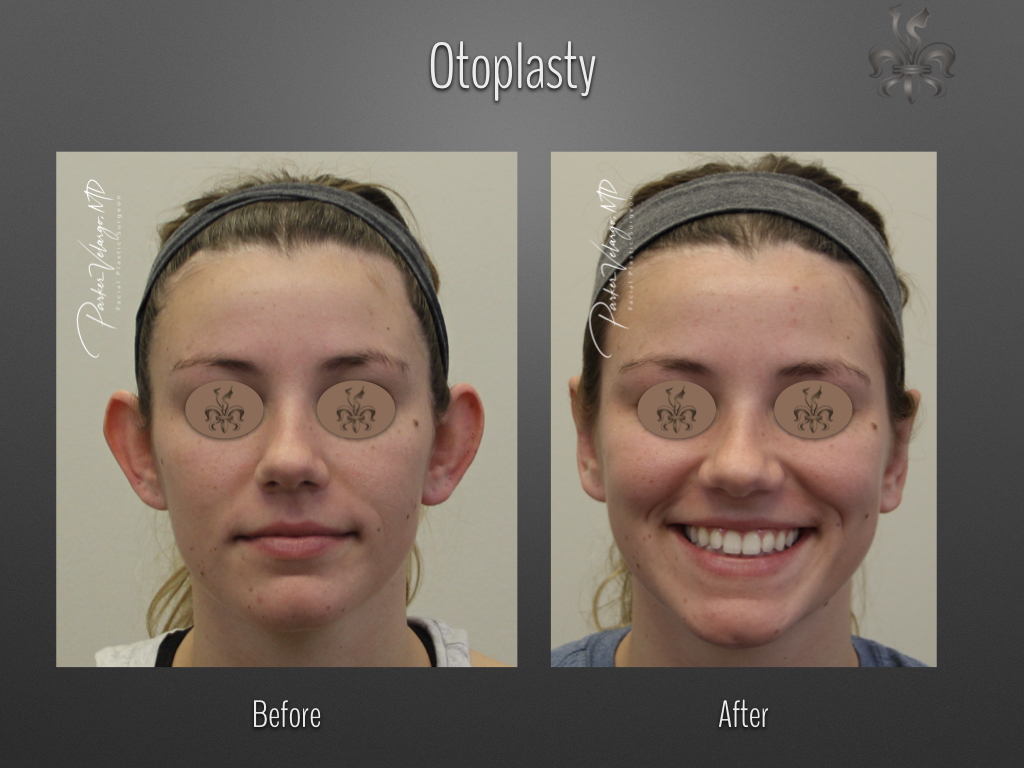
Oto” is of Greek origin and means “ear,” while the suffix “plasty” means “to shape or mold. Ear deformities (e.g., protruding ears) often cause deeper emotional upset than is generally realized by the patient’s friends or parents. Because the visual and psychological improvement following the operation is usually dramatic, it is rewarding to the patient, the family, and the surgeon. Otoplasty can treat large, misshapen, or protruding ears.
Otoplasty can be accomplished non-surgically if Dr. Velargo is consulted within days to weeks after birth. Because of maternal estrogens present in an infant’s system, the ear cartilages can be molded and shaped in early life with molding devices such as the “Earwell Infant Ear Correction System”. Treatment duration is two to eight or more weeks, depending on the child’s age and severity of ear abnormality. This system carries a greater than 90% success rate for newborn ear abnormalities when placed by Dr. Velargo in this early estrogen-influencing period.
In children, otoplasty surgery is preferably done before they begin school to avoid classroom teasing and “nicknames,” but it can be done at any age. By the age of five, the ears have reached about 90% of their adult size, so little growth of the ears occurs after this time. The predisposition to have protruding ears tends to run throughout a family tree with a varying degree of penetration.
What Happens During an Otoplasty?
In younger children, a general anesthetic is given in a hospital surgery suite that caters to children. In adults, the procedure can be accomplished in Dr. Velargo’s clinic procedure room under local anesthetic or under a general anesthetic at a surgical center.
Surgical incisions are located behind each ear and are hidden in the creases behind them. The type of procedure performed is highly customized and tailored to the individual needs of the patient. Most cases involve “pinning” the ears closer to the head and/ or re-shaping deformed cartilage with sutures. In any case, Dr. Velargo strives for natural appearing results because he feels that there is nothing more aesthetically displeasing than ears that appear to be “stuck on” to the head or sharp cartilage edges.
Does Insurance Cover Otoplasty?
Most otoplasty procedures are considered cosmetic. Therefore, insurance companies do not generally cover the cost of surgery. However, we will be happy to help you with an inquiry to your insurance company, particularly in pediatric cases. Contact the New Orleans Center for Aesthetics and Plastic Surgery today to find out more about expert otoplasty surgery.
Meet The Surgeons
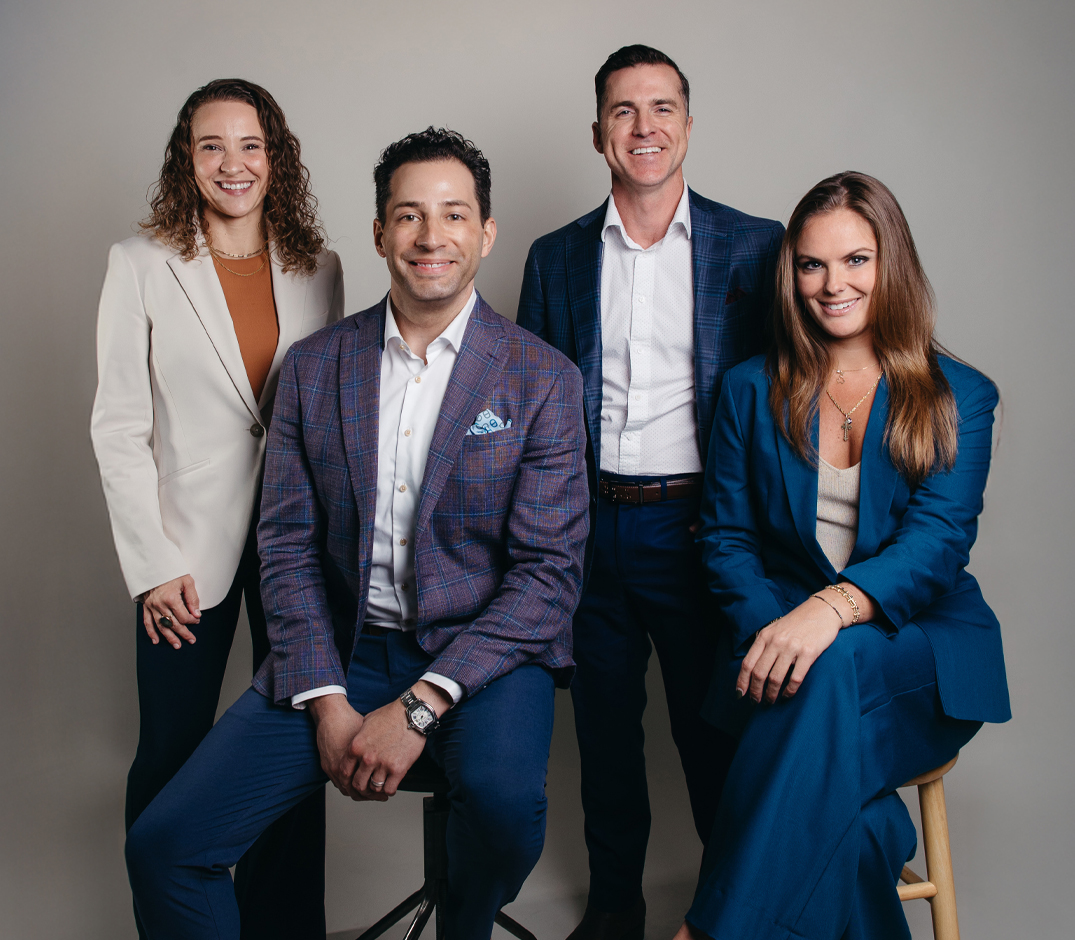
We’re dedicated to delivering more than treatment—we build lasting connections through compassion, skill, and personalized care. Our mission is to provide exceptional service and results, making us the trusted choice for cosmetic and reconstructive plastic surgery in New Orleans.
Confidence Starts Here
Choosing otoplasty is a significant decision, and we’re here to guide you along the way. Our team prioritizes your safety, comfort, and satisfaction from your initial consultation to postoperative care. Experience the power of otoplasty with Dr. Parker Velargo and regain confidence. Call us today at (504) 533-8848 to schedule your otoplasty consultation.
Otoplasty FAQs in New Orleans
What can I expect during recovery from an otoplasty?
In most cases there is minimal pain after this type of surgery. If severe pain is present, Dr. Velargo will want to examine you for other complicating conditions.
A turban-type bandage is worn about the head to cover the ears the night after surgery. After this bandage is removed the next morning, the patient wears a stocking cap or head band pulled down over the ears while sleeping to protect them for another two weeks. Most patients may return to work or school in 5-7 days following surgery.
The sutures used to close the skin incisions behind the ears usually dissolve on their own. The incision should be cleansed with hydrogen peroxide and Bacitracin ointment applied 3-4 times daily. Do not pull the ears forward under any circumstances! Most patients may shower and wash their hair daily beginning the day after surgery. Having the ears “get wet” with showering is not a problem.
When the dressings are first removed, the ears will appear to have been over corrected or too close to the head, but in time they begin to assume their new position. With any surgery, it takes time for healing to be completed, so do not try to evaluate the results too early.
How long do the results of an otoplasty last?
Usually, the cartilages will retain the shape and position that they are sutured into permanently. However, when the ear cartilage is thick and strong, it tends to resist being repositioned and a slight touch-up might be indicated within 6-12 months.