
Breast Augmentation in New Orleans
Sometimes, after significant weight loss and/or pregnancy, the breasts can begin to sag from volume loss and excess skin. In some cases, depending on the amount of sagging (ptosis), the breasts may require a breast lift procedure (mastopexy) in conjunction with or prior to the augmentation surgery. This will be discussed with you in depth during your consultation to make sure the proper surgical plan is selected for your individual needs. Patients with more noticeable sagging breasts often benefit most from combining a lift with their augmentation surgery.
Dr. Russell Hendrick has performed numerous successful breast enhancement surgeries. During your consultation, he will listen carefully to how you wish your breasts to look and will make recommendations to help you make the best possible choices. As a board-certified plastic surgeon, Dr. Hendrick has helped countless women achieve a natural appearance they feel confident in.
As for the type of implant, there are silicone and saline implants. Saline is an FDA-approved device for women 18 years of age and older, while silicone is FDA-approved for women 22 years of age and older. There are advantages and disadvantages to both types of implants, and these will be discussed in detail during your consultation with Dr. Hendrick. Saline implants are filled with a sterile saline solution, while silicone implants contain a cohesive silicone gel designed to feel and move like natural breast tissue.
Quick Links
- What Happens During Breast Augmentation?
- What Can Breast Augmentation Accomplish?
- Am I a Good Candidate for Breast Augmentation?
- Understanding the Limitations of Breast Augmentation
- Preparing for Your Breast Augmentation
- What Can I Expect During Recovery?
- Your Breast Augmentation Recovery Timeline, Week by Week
- How Long Do the Results of Breast Augmentation Last?
- Maintaining Long-Term Breast Augmentation Results
- Breast Augmentation Safety and Risk Considerations
- Can I Combine Breast Augmentation with Other Procedures?
- FAQs

What Happens During Breast Augmentation?
Dr. Hendrick performs his breast augmentation procedures under general anesthesia for the patient’s comfort and safety. The surgery is an outpatient procedure allowing you to go home the same day, provided someone drives you home. Because breast augmentation surgery is performed under general anesthesia, you’ll need a friend or family member available to drive you home after your outpatient procedure.
Incisions vary depending on your anatomy and the type of implant used. An inframammary incision is placed under the natural crease at the bottom of the breast. A periareolar incision is made around the areolas. The implants will be placed either in front of or under the pectoral muscle. Dr. Hendrick will discuss his surgical plan with you and the reasons for choosing a particular type of incision, as well as the placement of the implants. This inframammary fold incision is one of the most common approaches because it offers excellent access to the breast pocket while keeping the resulting scar tissue well hidden. Implants may be placed above or below the pectoralis major muscle depending on your chest wall anatomy and the amount of natural soft tissue coverage you have.
What Can a Breast Augmentation Accomplish?
Breast augmentation can:
- Increase the size of your breasts
- Change the shape of your breasts and make the breasts more symmetric
- Create a more balanced figure
- Boost confidence and self-esteem
Many patients also find that breast augmentation makes clothing and swimwear fit better, restores volume lost after pregnancy or weight loss, and helps achieve better proportion between the chest, waist, and hips. Because results are highly individualized, Dr. Hendrick takes time during your consultation to understand your goals and translate them into an implant size, profile, and placement that suits your frame. Choosing round breast implants versus shaped implants, and smooth versus textured breast implants, are all part of this conversation, since each option can subtly affect breast shape and how augmented breasts look and feel over time.
Am I a Good Candidate for Breast Augmentation?
Ideal candidates for breast augmentation are women who are physically healthy, have realistic expectations for their results, and are bothered by breast size, shape, or asymmetry that hasn’t changed with weight loss or gain. Many patients seek augmentation after pregnancy and breastfeeding leave the breasts smaller or less full, while others have always desired a fuller silhouette. Candidates with significant breast sagging may be better suited to a breast augmentation with lift, which Dr. Hendrick will discuss during your consultation. Non-smokers tend to experience smoother healing, and patients who are not currently pregnant or breastfeeding are cleared to move forward with surgical planning. Most patients who undergo breast augmentation are simply looking to feel more confident in their bodies, and a consultation is the best place to talk through how the procedure might improve your self image.
Understanding the Limitations of Breast Augmentation
While breast augmentation reliably increases breast size and improves shape, it’s important to understand what implants alone cannot do. Augmentation does not correct significant sagging on its own; patients with more advanced ptosis typically need a breast lift performed with or before their augmentation to achieve the best contour. Implants are also not permanent devices, and most patients should expect the possibility of a future revision or exchange procedure over the years. Setting realistic expectations about size, shape, and longevity during your New Orleans consultation helps ensure your satisfaction with your results. Because every breast implant device has a limited lifespan, most breast implant patients will need at least one revision surgery over the course of their lifetime, whether that means replacing the implants or removing them altogether.
Preparing for Your Breast Augmentation
In the weeks before surgery, patients are typically asked to avoid smoking, certain medications, and supplements that can increase bleeding risk. Arranging for a friend or family member to drive you home and help around the house for the first few days makes early recovery much easier. Many patients find it helpful to purchase front-closure or zip-up tops in advance, since raising the arms overhead can be uncomfortable in the first week. Dr. Hendrick’s team will provide a complete pre-operative checklist during your consultation, including guidance on any bloodwork or imaging needed beforehand.
Meet The Surgeons
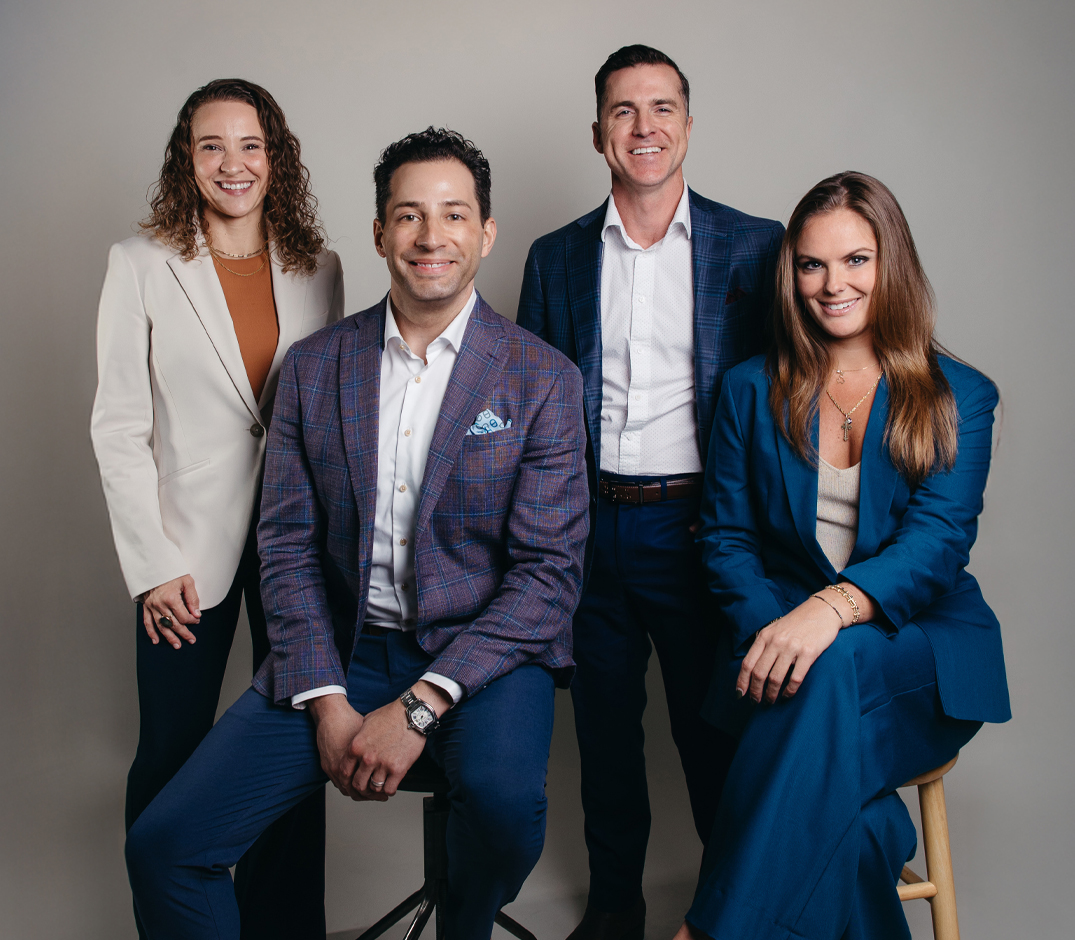
We’re dedicated to delivering more than treatment—we build lasting connections through compassion, skill, and personalized care. Our mission is to provide exceptional service and results, making us the trusted choice for cosmetic and reconstructive plastic surgery in New Orleans.
What Can I Expect During Recovery from Breast Augmentation?
Post-operatively, you can expect to feel tightness beneath the chest muscles, soreness, and swelling. You will be prescribed pain medication to help with any discomfort you experience. You will also be fitted with a surgical bra after your surgery, which you must wear for several weeks. Some breast pain and tenderness is normal in the first week and typically improves quickly with prescribed medication.
Incisions are cared for each day by cleansing the incision lines with mild soap and water, and any external stitches will be removed during a post-operative examination.
Most patients take seven to ten days off from work after an augmentation. Exercise and heavy lifting should be avoided for four to six weeks. Be sure to always discuss activity restrictions with Dr. Hendrick to avoid any complications after surgery. A full set of post-operative instructions will be provided to you prior to your surgery. Feel free to ask any questions during your pre-operative visit.
Your Breast Augmentation Recovery Timeline, Week by Week
Most New Orleans breast augmentation patients follow a similar general recovery pattern, though healing speed varies by individual. During the first few days, swelling, tightness, and soreness are most noticeable, and patients typically rest with limited arm movement above shoulder height.
- By the end of the first week, many patients feel comfortable returning to desk work and light daily tasks, though the surgical bra should remain in place as directed.
- Between three and six weeks, swelling continues to resolve and patients are gradually cleared for light cardio, with heavier lifting and upper-body exercise reintroduced closer to the six-week mark.
- By three to six months, the implants have typically settled into their final position and the breasts take on a softer, more natural look and feel.
How Long Do the Results of Breast Augmentation Last?
Breast implants are synthetic devices that have a limited lifespan, so they do require maintenance procedures. However, in most cases, they have been known to endure a decade of use. Routine breast imaging, such as an ultrasound or magnetic resonance imaging (MRI), can help confirm your implants remain intact even if you notice no outward changes.
Maintaining Long-Term Breast Augmentation Results
Although breast implants don’t last forever, most patients enjoy a decade or more of satisfying results before considering a revision or implant exchange. Over time, factors like gravity, skin elasticity, weight changes, and pregnancy can subtly affect how your augmentation looks and feels. Routine follow-up visits with Dr. Hendrick allow any changes in implant position or breast tissue to be monitored early, so adjustments can be made proactively rather than reactively. Maintaining a stable weight and wearing proper support during exercise are simple habits that help preserve your results for years to come. If a revision is ever needed, Dr. Hendrick can discuss options ranging from implant exchange to having your implants removed entirely, depending on your goals.
Breast Augmentation Safety and Risk Considerations
As with any surgical procedure, breast augmentation carries some degree of risk, including infection, bleeding, changes in nipple or breast sensation, and capsular contracture, a condition where scar tissue tightens around the implant. Choosing a board-certified plastic surgeon who performs augmentation regularly, like Dr. Hendrick, significantly lowers the likelihood of complications and ensures any concerns are addressed quickly. Being upfront about your full medical history, including previous surgeries and any autoimmune conditions, allows your surgical team to plan around your individual risk factors. Attending all recommended follow-up appointments is one of the best ways to catch and address any concerns early
Silicone breast implant ruptures can sometimes happen without obvious symptoms, so the FDA recommends periodic breast imaging, such as an ultrasound or magnetic resonance imaging, to screen for a silent breast implant rupture. Because textured breast implants have been linked to a rare cancer known as breast implant-associated anaplastic large cell lymphoma, most surgeons, including Dr. Hendrick, primarily use round implants today. A small number of patients also report a cluster of symptoms sometimes called breast implant illness, though a direct causal link hasn’t been established; patients experiencing ongoing symptoms after augmentation should discuss them with Dr. Hendrick.
Can I Combine Breast Augmentation with Other Procedures?
Yes, breast augmentation can be combined with other cosmetic procedures such as breast lift surgery, liposuction, or tummy tuck to achieve comprehensive results. Combining procedures can minimize overall recovery time and enhance overall aesthetic outcomes. Combining a breast lift with augmentation is one of the most common surgical procedures we perform for patients who have both sagging and volume loss.
A “mommy makeover,” one of the most requested combination procedures among our New Orleans patients, typically pairs breast augmentation with a tummy tuck and sometimes liposuction to restore pre-pregnancy contours in a single surgery and recovery period. Combining breast augmentation with a breast lift is especially common for patients with sagging alongside volume loss, since implants alone cannot correct significant ptosis. Dr. Hendrick will evaluate your anatomy, overall health, and the total anesthesia time required before recommending whether combining procedures is the right choice for you. Whether you choose a single procedure or a combination surgery, our team of plastic and reconstructive surgeons will build a plan around your goals.

Confidence Starts Here
Contact the New Orleans Center for Aesthetics and Plastic Surgery today to find out more about expert breast augmentation.
Breast Augmentation FAQs in New Orleans
Does insurance cover breast augmentation?
Insurance sometimes covers breast augmentation when it is part of breast reconstruction following breast cancer surgery, congenital deformities, or injury. When implants are chosen strictly for cosmetic purposes and not reconstruction, insurance does not cover the procedure. Reconstructive breast surgery after breast cancer is one of the most common reasons insurance provides coverage, since it addresses breast reconstruction needs rather than purely cosmetic goals.
What types of breast implants are available?
Breast implants come in various shapes, sizes, and materials, including silicone gel implants, saline implants, and structured implants. During your consultation, we will help you choose the best option for your unique goals and anatomy. Saline breast implants and silicone breast implant options each offer different advantages in breast shape, feel, and breast volume, and Dr. Hendrick will help you weigh these differences based on your breast anatomy.
How long does breast augmentation surgery take?
Typically, breast augmentation surgery takes one to two hours. However, preparation may take one to two hours, meeting the team and receiving anesthesia. Recovery immediately following your breast augmentation surgery may take another one to two hours.
What is the recovery process like after breast augmentation?
Recovery from breast augmentation surgery typically involves a few days of rest and limited activity, followed by a gradual return to normal activities over several weeks. Most patients experience some swelling, bruising, and discomfort, which can be managed with pain medication and compression garments.
Will I have visible scars after breast augmentation?
Scarring is an inevitable part of any surgical procedure, but our skilled plastic surgeons use advanced techniques to minimize the visibility of scars. Incisions are strategically placed in inconspicuous areas to ensure optimal cosmetic outcomes. Because incisions are often placed along the inframammary fold, scars are typically well hidden within the natural breast contour as they fade over time.
Can breast augmentation correct breast asymmetry?
Yes, breast augmentation can help improve breast symmetry by adding volume to one or both breasts to create a more balanced appearance. Our plastic surgeons will assess your unique anatomy and recommend the most appropriate treatment plan to address your concerns. This makes breast augmentation a good option for patients whose main goal is balancing breast size and breast shape rather than significantly increasing overall breast volume.
What are the risks associated with breast augmentation?
Like any surgical procedure, breast augmentation carries potential risks and complications, including infection, bleeding, changes in sensation, implant rupture, and capsular contracture. During your consultation, we will discuss these risks in detail and answer any questions you may have. Less common risks include breast pain, changes in nipple sensation, and in rare cases, the need for implants removed and replaced.
Will breast augmentation affect my ability to breastfeed?
Breast augmentation surgery can impact milk production if not done in a way that consciously protects your ability to produce milk in the future. If you are planning to breastfeed, it’s essential to discuss your breastfeeding goals with your plastic surgeon during the consultation to ensure the most appropriate surgical approach.
How soon can I return to work and exercise after breast augmentation?
Most patients can return to light activities and non-strenuous work within a week after surgery, with strenuous exercise and heavy lifting restricted for several weeks. Your plastic surgeon will provide specific post-operative instructions tailored to your individual recovery process.
How much does breast augmentation cost in New Orleans?
The cost of breast augmentation varies depending on factors such as the type of implants used, surgical technique, facility fees, and anesthesia costs. During your consultation, we will provide you with a detailed breakdown of the expenses associated with your specific treatment plan. Because every breast implant surgery is customized, from implant style to surgical technique, costs can vary meaningfully from patient to patient.
How can I schedule a consultation for breast augmentation?
To schedule a consultation for breast augmentation at New Orleans Center for Aesthetics and Plastic Surgery, simply contact our office by phone or through our online contact form. Our friendly staff will assist you in setting up an appointment at your convenience.
Is financing available for breast augmentation?
Yes, we offer flexible financing options to help make breast augmentation more affordable for our patients. Our staff can provide information on payment plans and financing solutions to fit your budget and lifestyle.
Is a “boob job” the same as breast augmentation?
Yes, “boob job” is simply a casual term for breast augmentation, a cosmetic surgery procedure that uses implants or fat transfer to increase breast size and improve shape, a core part of plastic surgery performed by a board-certified surgeon.
What is the difference between breast augmentation and other breast surgery options?
Breast augmentation is one of the most requested forms of cosmetic surgery, but it isn’t the only breast surgery option available. Some patients are better suited to a breast reduction, breast lift, or a combination approach depending on the amount of glandular breast tissue and skin elasticity present. During your consultation, Dr. Hendrick will walk you through implant insertion, incision placement, and how breast implant surgery compares to non-implant alternatives like fat transfer, so you can choose the cosmetic surgery procedure that’s right for you.