


Plastic surgery has undergone a drastic cultural shift. Not long ago, it was something people whispered about behind closed doors and kept secret from everyone but their closest confidants. Today, everyone from movie stars to soccer moms openly shares their experiences and proudly shows off their results on social media.
But with that openness has come a flood of misconceptions, trends, and unrealistic expectations. Influencer culture and the prevalence of AI-manipulated before-and-after images have made it challenging for prospective patients to sift through all the information and determine what’s realistically and safely possible.
Dr. Parker Velargo and Dr. Russell Hendrick of the New Orleans Center for Aesthetics and Plastic Surgery discussed the behind-the-scenes realities of their thriving practice in the most recent episode of their No Filters podcast. This companion blog distills their candid conversation into the essential truths every patient should know.
Why Won’t Plastic Surgery Won’t Make You Look “Fake”?
Fears about looking overcorrected come up during nearly every patient consultation. Patients often associate bloated cheeks, stiff expressions, and distorted features with aggressive or unproven surgical techniques. But as Drs. Velargo and Hendrick explain, what most people consider “fake” isn’t due to surgery. Instead, it’s the result of overfilling.
The goal of advanced techniques like the deep-plane facelift and preservation facelift is to maintain the features that make you unique. Carefully lifting tissues back to their original positions conserves natural motion and restores your original anatomy, not a manufactured version of it.
Why Can’t Skin-Tightening Devices Replace Surgery?
Skin laxity due to pregnancy, aging, or weight loss can be frustrating, and patients searching for improvement often schedule consultations after seeing misleading marketing that makes dramatic, non-surgical results look achievable.
Drs. Velargo and Hendrick emphasize that, while some technologies can offer mild improvement, none can match the results of an expertly performed surgical tummy tuck, arm lift, or thigh lift. If you have significant skin laxity, surgery is the only long-term solution.
Why Isn’t Plastic Surgery One Size Fits All?
People often request specific celebrity procedures or viral techniques they’ve seen online, but plastic surgery is not like ordering off a menu at a chain restaurant. The best results come from a customized approach tailored to your unique anatomy, proportions, and goals, not copying your favorite starlet.
Skilled, board-certified surgeons know solutions that work beautifully for one person may lead to unnatural results for another. Dr. Hendrick, Dr. Velargo, and their entire team at the New Orleans Center for Aesthetics and Plastic Surgery will work closely with you to create a plan based on your specific needs.
Does Surgery Eliminate the Need for Maintenance?
Some people mistakenly believe that they won’t need to worry about skincare anymore once they get facial plastic surgery. But according to Drs. Velargo and Hendrick, you should think of facelifts and other procedures like buying a car. Even the newest models with all the bells and whistles still need routine oil changes and tire rotations. Maintenance treatments, such as Botox and chemical peels, will preserve your investment, slow aging, and keep your surgical results looking fresh as the years go by.
Do Men Have Plastic Surgery Options?
Plastic surgery is no longer “just for women.” The stigma has faded, and more men are embracing the confidence that comes with looking younger, healthier, and more refreshed.
Men increasingly choose procedures like direct neck lifts and gynecomastia correction to look younger, healthier, and fitter. If you have lost a dramatic amount of weight by taking GLP-1 medications or having bariatric surgery, you may also consider getting a body lift.
Men want natural, masculine results, and every surgeon at the New Orleans Center for Aesthetics and Plastic Surgery knows how to adjust their techniques accordingly.
What Is the Problem with Social Media Misinformation?
TikTok and Instagram influencers have created a tidal wave of misinformation. Patients often arrive quoting viral videos, unverified techniques, or AI-generated “doctors” promising to work miracles. Some even ask if surgeons will inject black-market fillers or neuromodulators they purchased online.
You shouldn’t trust everything you see on the internet, and following amateur advice about cosmetic procedures can be risky. Though these treatments are elective, they are still medical procedures that merit a responsible, methodical approach. A consultation with a qualified, board-certified surgeon is essential for personalized, accurate guidance.
Which Procedures Are Overhyped?
New trends sweep through aesthetic medicine every few years. Brazilian butt lifts are a contemporary example. Though some patients may be good candidates for this surgery, it isn’t suitable for people who want exaggerated results without considering the possible long-term consequences.
While fads come and go, surgery remains the most reliable, time-tested way to achieve safe, practical, and realistically flattering outcomes.
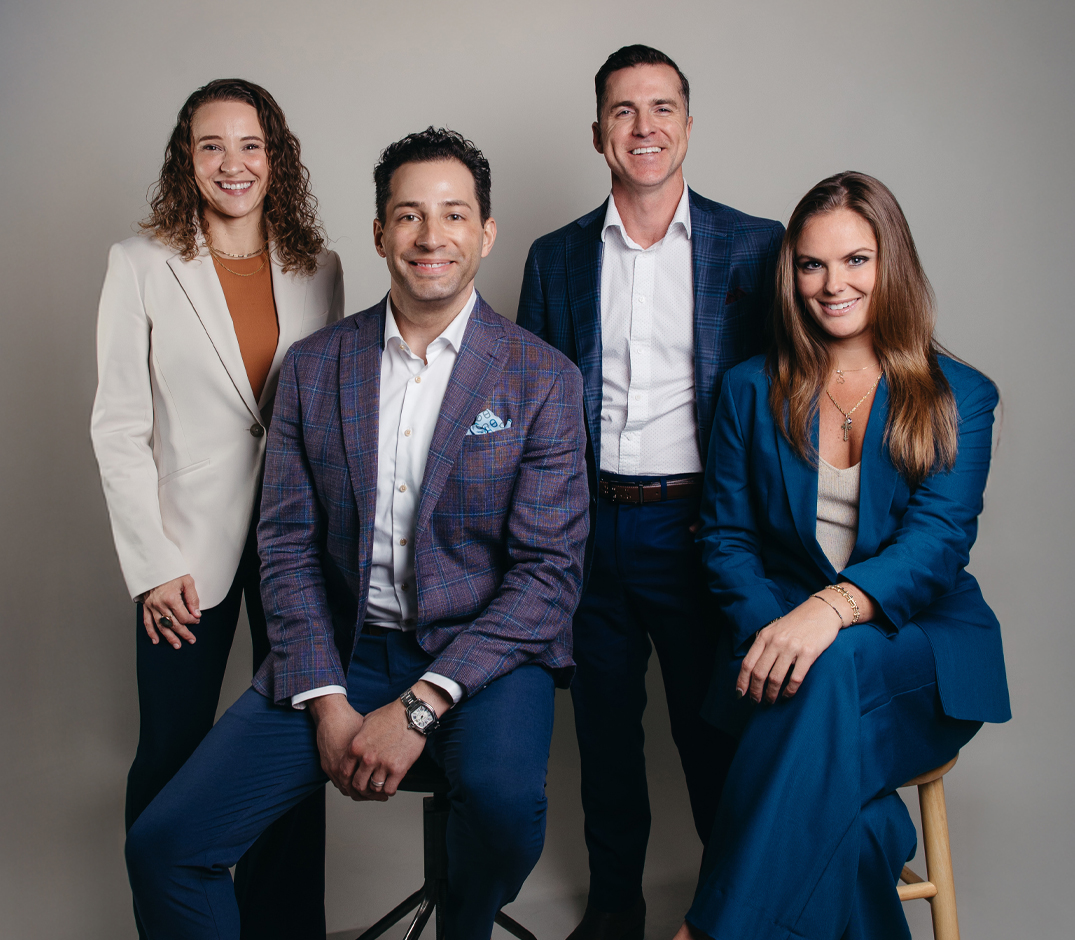
Meet The Surgeons
We’re dedicated to delivering more than treatment—we build lasting connections through compassion, skill, and personalized care. Our mission is to provide exceptional service and results, making us the trusted choice for cosmetic and reconstructive plastic surgery in New Orleans.
What Do You Do When Surgery Isn’t the Answer?
The guiding philosophy of plastic surgery is that not everyone is a good candidate, even if you’re eager, motivated, and financially stable. Experienced surgeons say no more often than most people realize, especially when patients have body dysmorphia, nutritional deficiencies, or medical conditions that make surgery unsafe.
Ideal candidates are physically and emotionally ready to undergo plastic surgery and the subsequent recovery period. They have realistic expectations and don’t expect their chosen procedure to solve all their problems.
In their practice, Drs. Hendrick and Velargo won’t agree to perform surgery unless they honestly believe it can deliver your desired outcome. They follow what they call the 80/20 rule: if they can make you look 80% better, will you be happy? If the answer is no, the surgical route may not be appropriate.
Judicious surgeons who are willing to say no demonstrate a commitment to honesty, ethics, and their patients’ long‑term satisfaction. They do not recommend procedures that won’t meet your needs or make you feel more comfortable in your skin.
No Filters – Just an Honest Approach to Plastic Surgery
Plastic surgery is powerful and incredibly personal. But it should also be nuanced, individualized, and grounded in realism instead of chasing trends, shortcuts, or miraculous promises.
If you’re considering plastic surgery, consult with a board-certified surgeon who will give you honest guidance, realistic expectations, and a plan tailored to your anatomy and goals. Your renewed confidence awaits. Schedule your consultation today.