


Faces age at different rates and some areas are affected more than others based on many individual factors. Dr. Parker Velargo, MD, FACS, and our board-certified surgeons offer both liquid facelifts and advanced surgical facelifts, helping each patient choose the route that best restores a refreshed appearance. Liquid facelifts are usually recommended for patients experiencing early signs of facial aging, while a facelift can address facial concerns that may need deeper structural changes.
Surgical vs. Non-Surgical Facelift: What’s the Difference?
A surgical facelift lifts and repositions deeper facial and neck tissues for long-lasting results, while a liquid facelift uses injectables such as dermal fillers and neuromodulators to restore volume and soften lines without surgery.
A liquid facelift takes about 30 to 60 minutes and involves little to no downtime. A surgical facelift is an outpatient procedure that typically takes 3 to 5 hours, and most patients return to work within 10 to 14 days.
The biggest difference is what each can achieve. Fillers add volume, but they cannot reposition loose skin and sagging tissue. Overfilling to compensate for sagging can create an unnatural look, so a surgical facelift is often the better choice for jowls, neck laxity, and deeper folds.
How Do Surgical and Liquid Facelifts Bring Facial Rejuvenation?
A liquid facelift restores lost volume and relaxes expression lines, gently lifting and smoothing the skin. A surgical facelift repositions the underlying muscle and tissue, releases facial ligaments, and removes excess skin to restore a firmer, more youthful contour.
How a Liquid Facelift Works
Our surgeons combine injectables to address multiple concerns in one visit:
- Dermal fillers such as Restylane, Juvéderm, and RHA restore volume in the cheeks, midface, jawline, and under the eyes
- Sculptra stimulates collagen for gradual improvement
- Botox and Dysport soften forehead lines and crow’s feet and can subtly lift the brows
Hyaluronic acid fillers can last well over 12 months, while Botox and Dysport typically last three to four months.
How a Surgical Facelift Works
Dr. Velargo performs the extended deep plane facelift for most patients. This technique works beneath the SMAS layer and releases facial ligaments, allowing tissues to lift naturally rather than be pulled tight. Dr. Velargo often prefers a preservation approach that minimizes skin elevation. Results can restore the face to how it looked 10 to 15 years prior.
How Can Liquid and Surgical Facelift Procedures Be Customized?
Both procedures are tailored to your unique anatomy, concerns, and goals. A liquid facelift can use one injectable in a single area or several products across the face, while a surgical facelift can be adjusted in technique and extent and combined with complementary procedures.
Surgical options range from a minimal-access deep-plane facelift for younger patients to a deep structural neck lift for heavier necks. A facelift may also be combined with:
- Eyelid surgery and brow lift
- Fat grafting or nano-fat grafting to restore volume
- Lip lift and CO2 laser skin resurfacing
You may also choose the Renaissance Lift™, which combines a facelift, nano-fat grafting, and skin resurfacing. After surgery, injectables and skin treatments such as Botox, Sculptra, microneedling, and chemical peels can help maintain results.
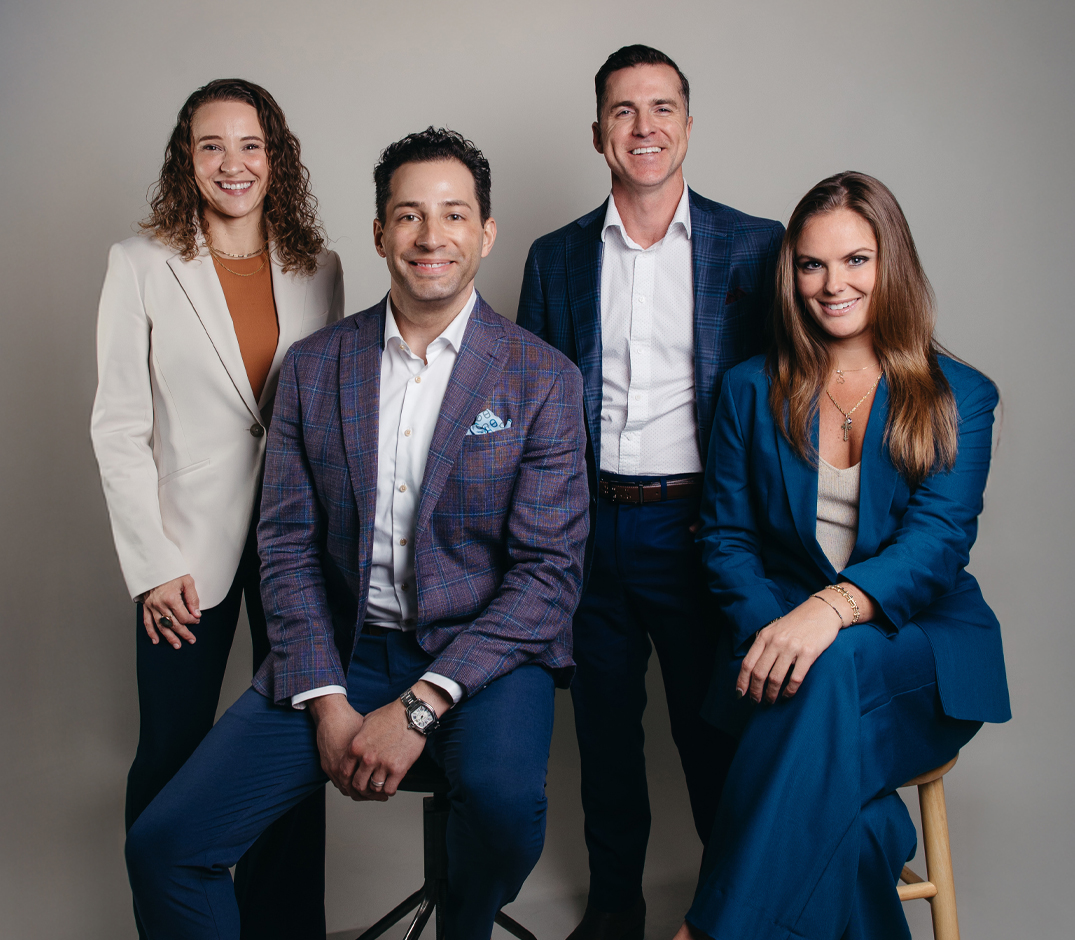
Meet The Surgeons
We’re dedicated to delivering more than treatment—we build lasting connections through compassion, skill, and personalized care. Our mission is to provide exceptional service and results, making us the trusted choice for cosmetic and reconstructive plastic surgery in New Orleans.
When Is the Best Time for a Liquid Facelift vs. Surgical Facelift?
A liquid facelift often works best for patients with early signs of aging, such as mild volume loss and fine lines, or those who prefer to avoid surgery. A surgical facelift is typically best when sagging skin, jowls, or neck laxity become noticeable, most often in the 50s and 60s.
There is no single right age for either treatment. Injectables can be helpful at many stages, including as maintenance after surgery. Facelifts are popular among patients in their 40s, while patients in their 50s and 60s make up the largest group; patients in their 70s and 80s can also be good candidates when they are healthy.
Good surgical candidates are in good overall health and do not use nicotine. If you have had thread lifts, Kybella, or certain energy-based treatments, you may need individualized surgical planning. A liquid facelift may also suit patients for whom surgery is less advisable. During a consultation, our surgeons evaluate facial anatomy and goals to recommend the right approach.
Ready to Find Your Facial Rejuvenation Solution in New Orleans, LA?
Whether a liquid facelift or a surgical facelift is right for you, our team can help you look like a refreshed version of yourself, not someone else. We welcome patients at our New Orleans and Mandeville offices. Call (504) 533-8848 or schedule a consultation to start the conversation.